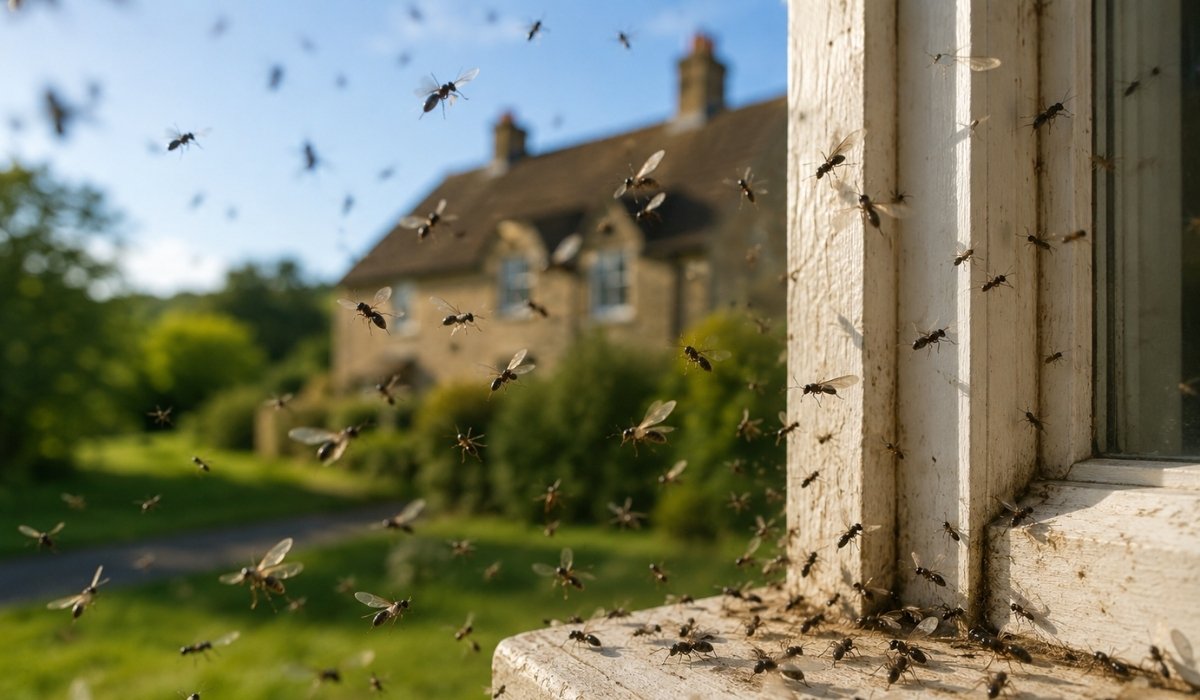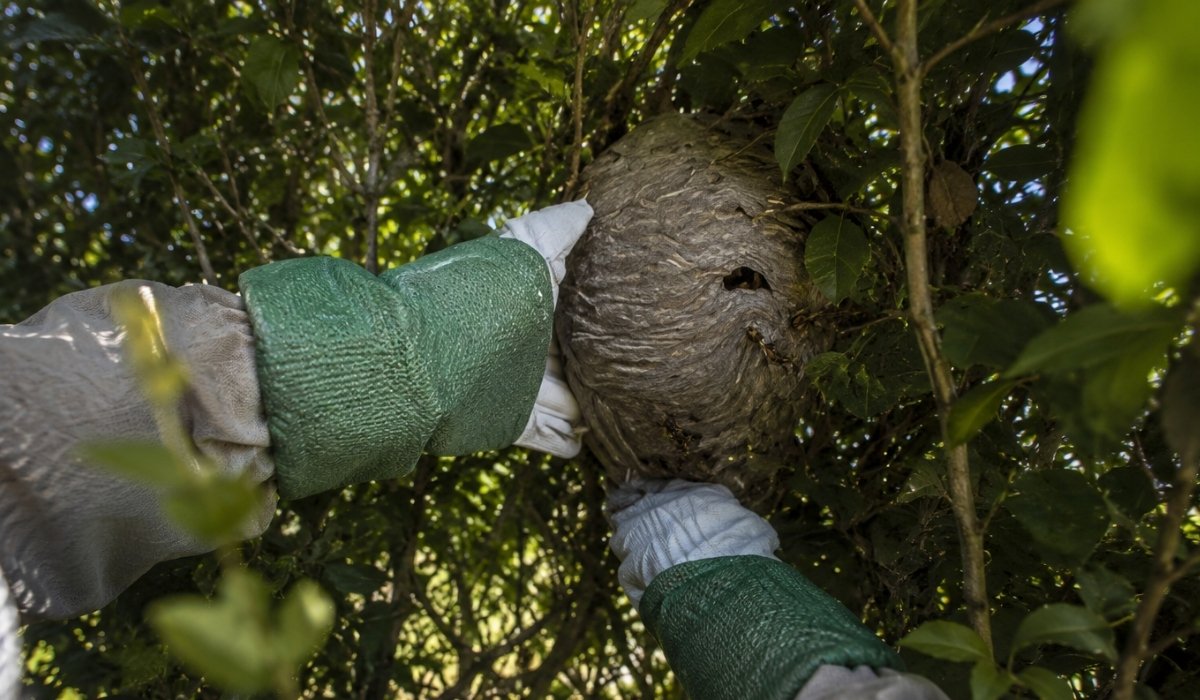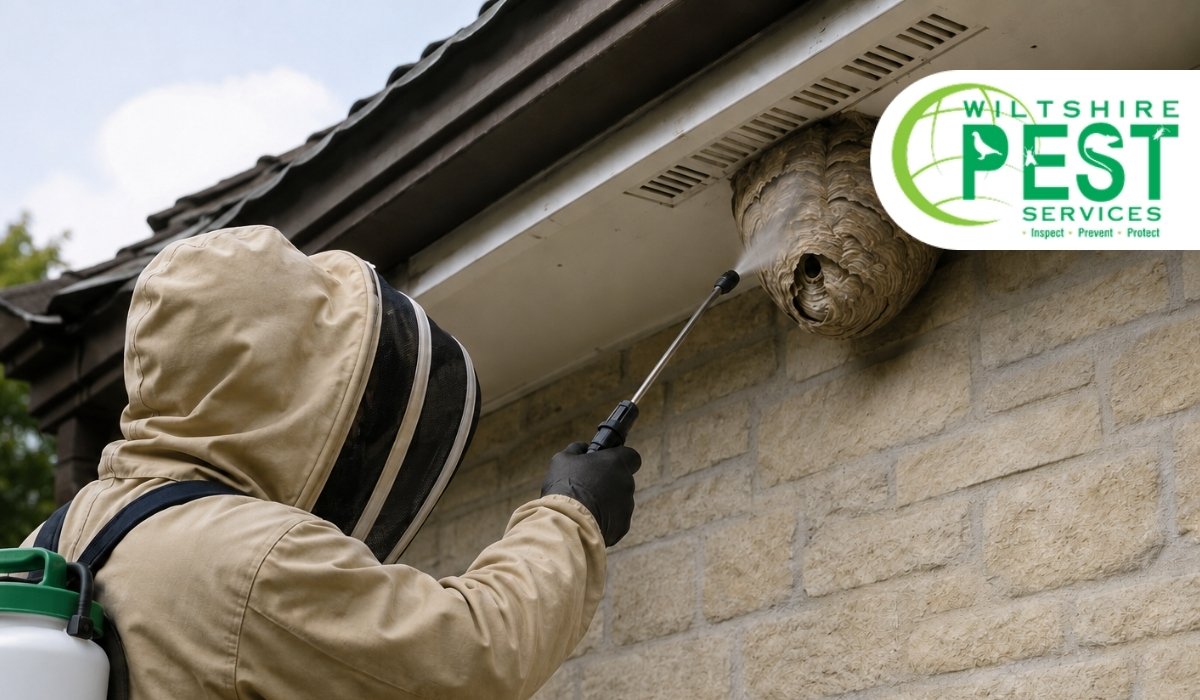
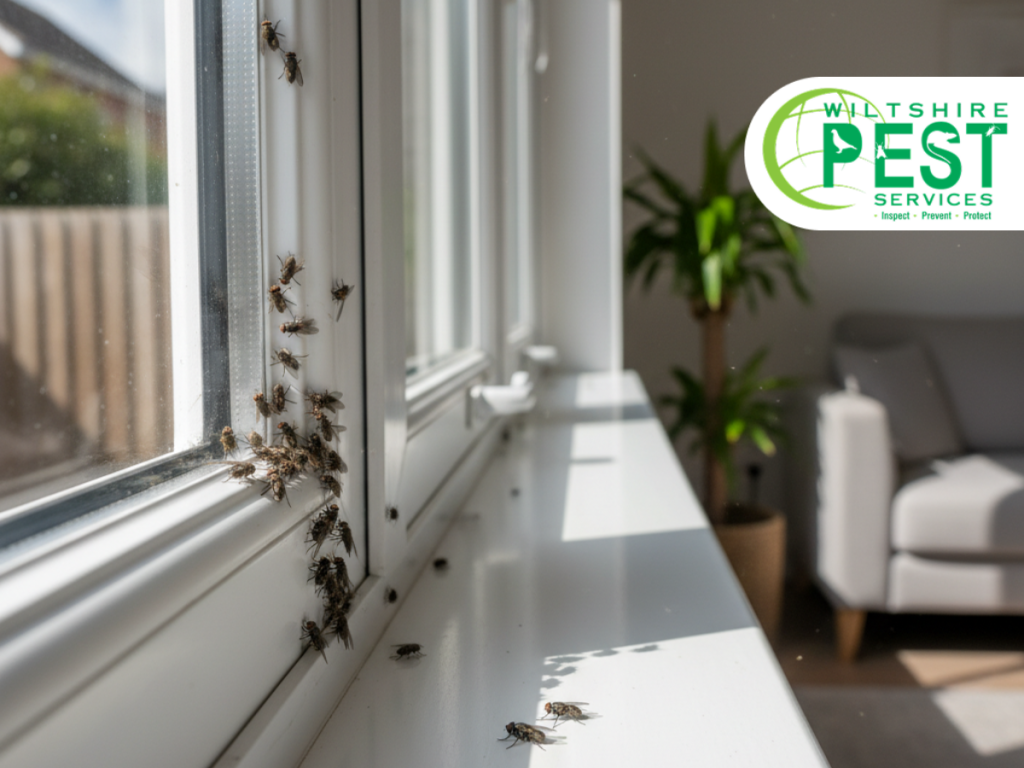
If you’ve suddenly found cluster flies in house, gathering around your windows, buzzing lazily in your loft, or appearing out of nowhere on warm winter days… you’re definitely not alone. Cluster flies are one of the most common seasonal pests in the UK – especially in rural areas like Wiltshire – and although they’re harmless, they can quickly become a real nuisance.
In this guide, we’ll walk you through exactly how to get rid of cluster flies, why they appear, and what you can do to keep them out for good.
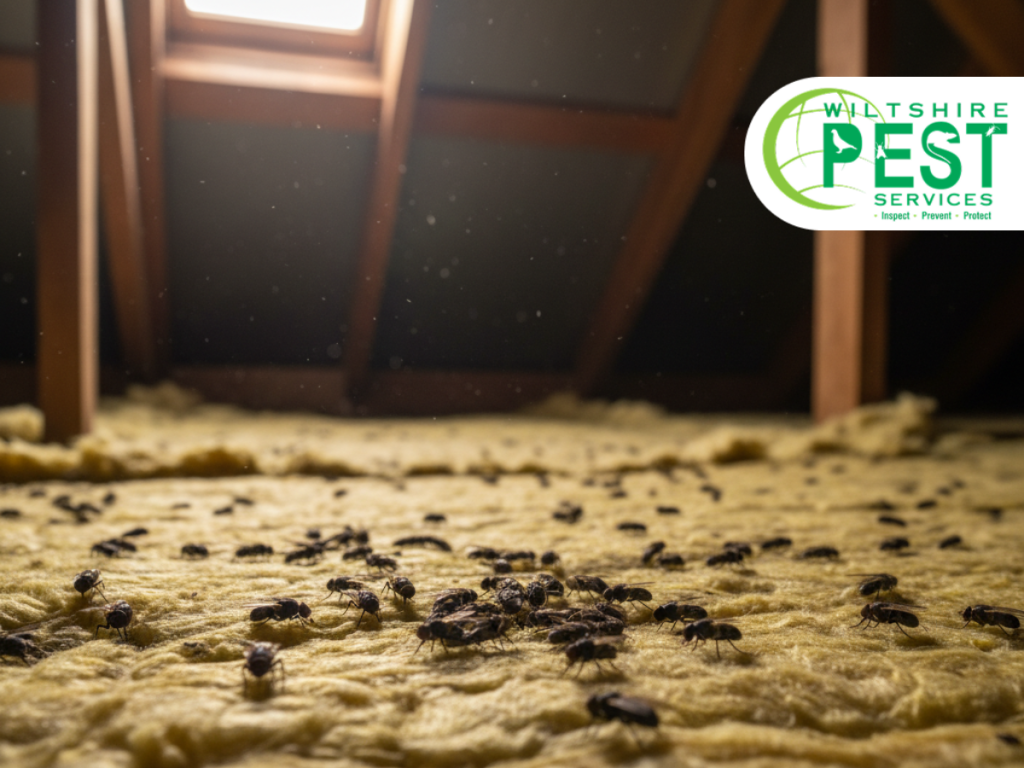
Cluster flies are slow-moving, dark grey flies that often enter your home during autumn and winter. Unlike regular house flies, they don’t feed on waste or breed indoors. Instead, they’re looking for a warm, sheltered place to hibernate – which is why they settle in lofts, attics, and window frames.
They become active again in spring, which explains why so many people suddenly notice them around windows or light.
Many people mistake cluster flies for house flies, but here’s how to tell them apart:
Cluster flies aren’t harmful, but large groups can be extremely frustrating to deal with.
Cluster flies love:
These areas are warm, undisturbed, and ideal for overwintering. Seeing cluster flies in these spaces doesn’t mean your home is dirty – it simply means you have small gaps or openings where they can slip through.
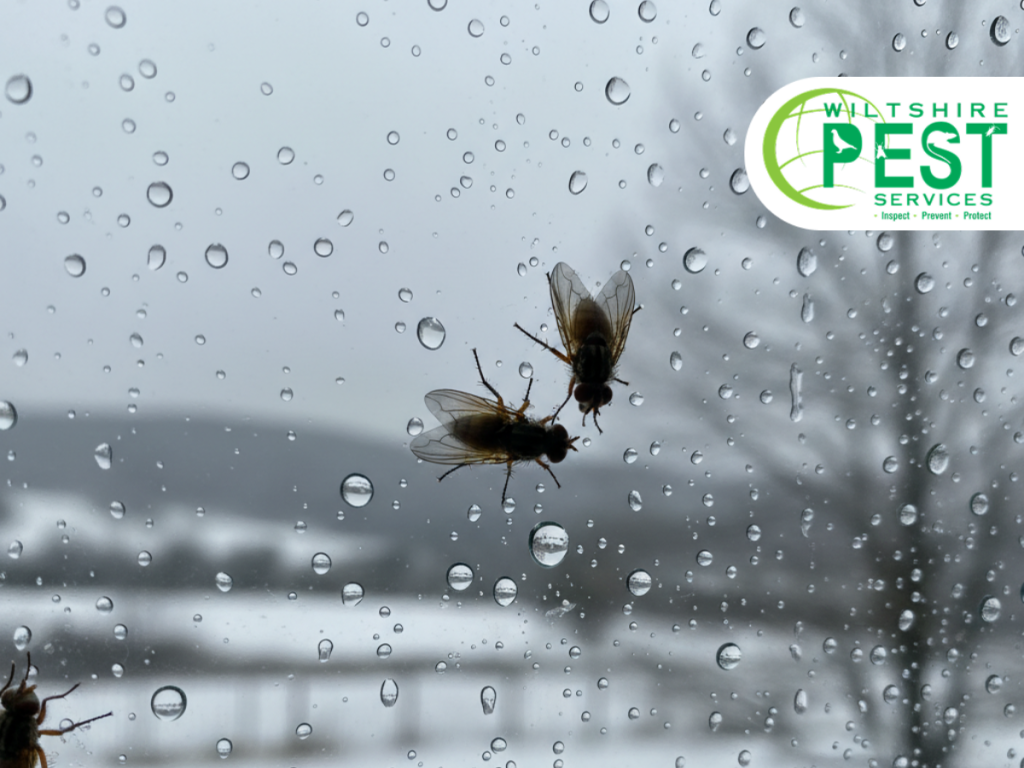
Cluster flies often seem to appear out of thin air – one minute your home is peaceful, the next you have a window full of buzzing flies.
This happens because:
Most people notice cluster flies in my house in autumn or early spring.
When cluster flies wake up, they head straight toward the light. That’s why they cluster around windows, skylights, and sunny rooms.
Even if you haven’t seen them before, they may have been hiding in your loft insulation all winter.
The main causes are:
Again – finding cluster flies in the house does not mean poor hygiene. It’s purely seasonal.
If you’re looking for how to get rid of cluster flies without calling a professional right away, here are some effective DIY options.
If you prefer natural solutions:
These help reduce active flies, but they won’t remove hidden clusters.
Regular cleaning helps prevent flies from gathering:
For ongoing issues, you can also explore our fly control services.
Once you’ve removed the cluster flies, preventing them from coming back is the next step.
Cluster flies often enter through:
Sealing these openings drastically reduces re-infestation.
Better insulation helps reduce warm hiding spots, making your loft or attic less inviting.
It also reduces:
As a bonus, sealed and insulated lofts are far less likely to attract cluster flies.
The best time to protect your home is late summer to early autumn.
Do a seasonal check:
Prevention is always easier than removal.
DIY methods help, but sometimes they’re simply not enough – especially if cluster flies return every year or if you find large numbers in the loft.
Reasons DIY methods fail:
Professionals have the tools and experience needed to treat every hiding spot safely.
A professional pest technician can:
This is especially useful for recurring problems in cluster flies in loft or cluster flies in attic.
Call a professional if:
Wiltshire Pest Services Ltd specialises in fast, effective cluster fly control across Wiltshire and the surrounding areas.
Our services include:
We provide:
Your home will be fly-free – and stay that way.
Cluster flies often appear all of a sudden when they wake from hibernation during warm winter or early spring days. They hide in lofts, attics, wall voids, and roof spaces throughout the winter, then move toward light as they become active. This sudden movement makes it seem like they’ve appeared overnight.
Cluster flies enter through tiny gaps around roof tiles, soffits, vents, chimneys, and window frames – often spaces far smaller than you’d expect. Because lofts and attics are warm and undisturbed, they make perfect overwintering spots. Sealing entry points is one of the best prevention methods.
No – cluster flies don’t pose a health risk. They don’t feed on waste, spread disease, or breed inside homes. The main issue is the quantity of flies gathering in one place, which can become a nuisance and create unpleasant messes if not treated.
The quickest DIY method is using a vacuum to remove active flies, followed by sticky traps or light traps near windows. However, if the flies are coming from a loft or wall cavity, professional fogging and residual insecticide treatments are the most effective long-term solution.
To prevent cluster flies returning, seal cracks around window frames, loft vents, and rooflines. Improve insulation, reduce light in attic areas, and carry out seasonal inspections in late summer or early autumn. For recurring infestations, professional pest control can treat the loft area and block hidden entry points.

– SEASONAL TIPS & NEWS –
Our Recent Posts
Wiltshire Pest Services Ltd provides professional pest control for homes and businesses across Wiltshire and into Somerset, Dorset and Hampshire, covering the SN, BA and SP postcode areas. Whether it’s rodents, insects, birds or proofing work, we offer a fast, reliable and discreet service. Not sure if we cover your area? Call us on 07711 259749 and we’ll let you know.
– TOWNS WE SERVE –
🐭 We Keep Digital Pests Under Control Too!
We use cookies (the good kind) to make your visit smoother, help us understand how our site is used, and improve your experience. By clicking "Accept All", you're allowing us to trap these digital critters responsibly.
Websites store cookies to enhance functionality and personalise your experience. You can manage your preferences, but blocking some cookies may impact site performance and services.
Essential cookies enable basic functions and are necessary for the proper function of the website.
These cookies are needed for adding comments on this website.
Google Analytics is a powerful tool that tracks and analyzes website traffic for informed marketing decisions.
Statistics cookies collect information anonymously. This information helps us understand how visitors use our website.