– PEST CONTROL SERVICES –
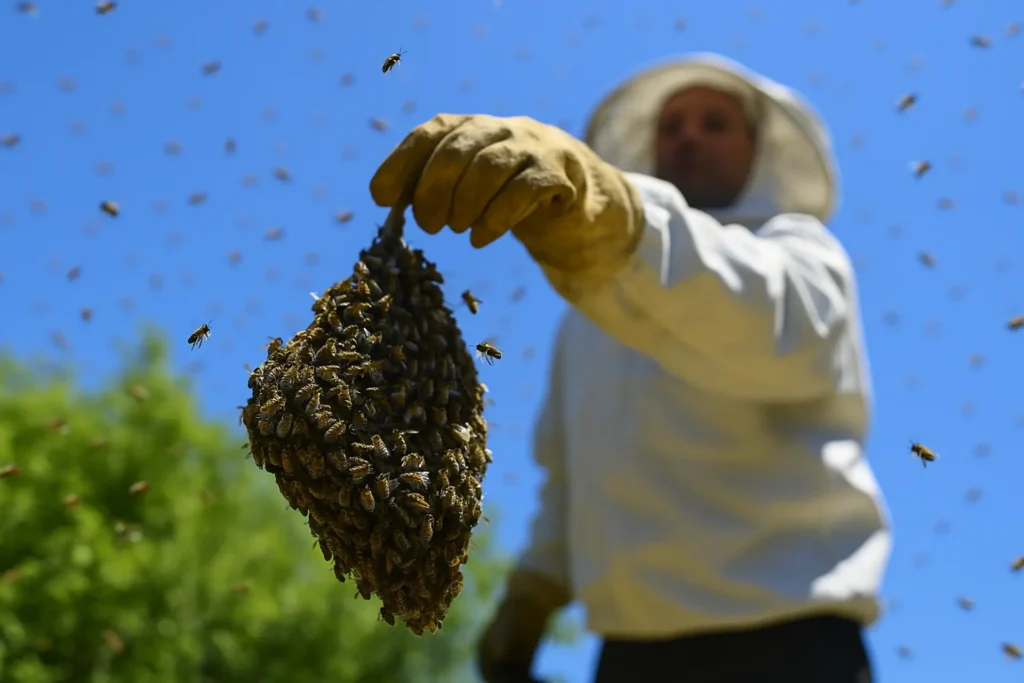
A swarm hanging from a branch in the garden, bees streaming in and out of a gap in the wall, a buzzing nest in the bird box. Bees are vital pollinators, and most need no treatment at all, but a colony in the wrong place still needs dealing with properly. Wiltshire Pest Services Ltd provides responsible bee control and removal for homes, farms and businesses across Wiltshire and into the borders of Somerset, Dorset and Hampshire. We never exterminate honey bees. Call us on 07711 259749 or use the form on this page and we’ll tell you what you’ve got and the best way to handle it.
– LOVED BY HOMEOWNERS & BUSINESSES –
EXCELLENT Based on 184 reviews
 Posted on Google
 Alexandra BlairVery efficient and completely successful with the extermination of the wasps nest.Posted on Google
 Chris OslandInspection was very thorough and helpful advice given, in a friendly way.Posted on Google
 Sam BurrVery professional, approachable and friendly. No nonsense, sensible and great communication. Highly recommended!Posted on Google
 Henry TurnerKai from WPS arrived on time, quickly assessed the issue and was very efficient at solving the problem. He was polite, tidy and made clear if the problem did persist to let him know and he was return. Excellent.Posted on Google
 Madeline MccrawLovely, friendly and knowledgeable chap. Felt very reassured he knew exactly what he was doing.Posted on Google
 Bob ThackrayQuick response and 100% successful treatment. Many thanks.Posted on Google
 Jacqueline StrakerVery professional and helpful he helped with putting mesh over a hole in a wall to stop anything getting inside, in all the years iv been trading iv never had a company so helpful a big thankyou 😊Posted on Google
 Robin BrookesThe hornets all disappeared within 6 hours. Quick excellent service.Posted on Google
 Susie HillearyBrilliant friendly service ,Scott found and dealt with huge wasps and hornets nests which involved climbing into cobweb infested lofts, and out in biblical rain. i have already recommended him to friends and neighbours
A large, humming cluster of bees on a branch, fence or wall, usually between May and July, is a honey bee swarm resting while scouts look for a new home.
A steady stream of bees using a gap in brickwork, an airbrick, a chimney or under roof tiles often means a honey bee colony has moved into a cavity.
Bumblebees often nest in bird boxes, compost bins, under sheds and in old mouse holes. Tree bumblebees are particularly fond of bird boxes and roof eaves.
Tiny holes in soft mortar are usually masonry bees, and small volcano-shaped mounds of soil in the lawn in spring are mining bees. Both are solitary and harmless.
Dark staining on ceilings or walls, or a sweet smell, can be a sign of an established honey bee colony with comb inside a cavity.
Honey bees are slim, golden-brown and slightly hairy. They live in large colonies that survive the winter, so a nest in a wall or chimney can stay for years if it isn’t dealt with.
Bumblebees are round, fuzzy and often striped with yellow, white or orange. Their nests are small and short-lived: they die off naturally by late summer and aren’t reused.
Masonry bees, mining bees and leafcutter bees nest alone rather than in colonies. They rarely sting, and their activity is over within a few weeks.
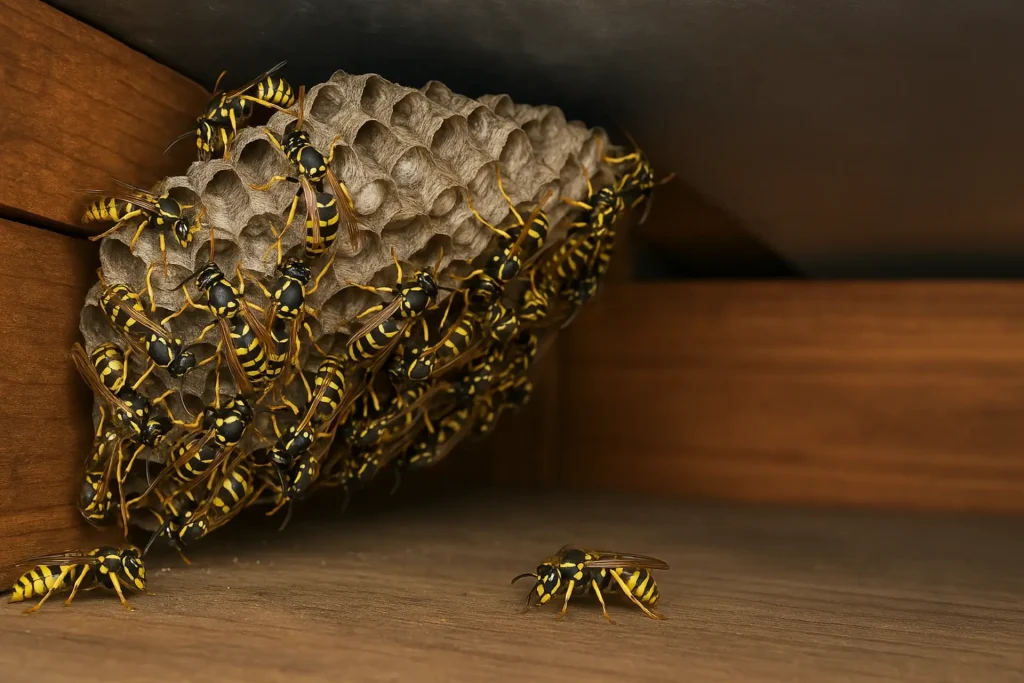
Wasps are smooth, shiny and bright yellow and black, with a narrow waist. If you’re not sure, try the AI Pest Identifier on our homepage or send us a photo. For wasps, see our wasp nest removal service.
Bees play a key role in pollinating crops, gardens and wild plants. Wherever possible, the right answer is to relocate or leave them, not destroy them.
Most bees are gentle, but a disturbed colony will defend itself. For people who are allergic, a sting can cause a severe reaction that needs emergency treatment.
A colony inside a wall or chimney builds comb full of honey and wax. If the bees die or leave and the comb stays, it can melt, stain walls and attract other insects and new swarms.
Blocking the entrance can trap bees inside or force them into the house, and spraying a honey bee colony can harm other bees that rob the contaminated honey.
Call us or use the form on this page. Tell us where the bees are and how long they’ve been there, and send a photo if you can do so safely. If you call, we’ll take the details and send you a follow-up form through our booking system, then talk you through your options and what happens next.
We identify the species, find the nest or colony, and check the risk to people, pets and the property. That tells us whether the bees need relocating, can safely be left, or need another approach. For colonies high on roofs or chimneys, we can use a drone to find the exact spot.
We never exterminate honey bees. Swarms and colonies are carefully collected and rehomed with local beekeepers or in our own hives. For bumblebees and solitary bees, we’ll usually advise leaving the nest alone until it dies off naturally, and if a nest poses a real risk, we’ll talk you through the options.
Once a honey bee colony has been removed from a cavity, the comb should come out too, and the gap needs sealing so the scent doesn’t attract a new swarm. Our proofing service can close up the entry point.
Domestic customers get a follow-up to check everything has been resolved. For farms, estates and businesses with recurring swarms, we offer seasonal service agreements.
We price each job once we understand it. The main factors are the type of bee, whether it’s a swarm or an established colony, where it is, how high and how easy it is to reach, and whether comb needs removing from a wall or roof. Get in touch for a clear quote.
Our team has over 30 years of combined experience, including BPCA-certified professionals and a Fellow of the RSPH. Every technician is qualified to at least Level 2.
Honey bees we collect go to local beekeepers or into our own hives, so the colony survives.
If it’s a bumblebee nest that will be gone in a few weeks, we’ll tell you, and you won’t pay for work you don’t need.
We arrive in unmarked vehicles and keep the job low-key.
By removing comb and sealing entry points, we stop the same cavity attracting a new swarm next year.
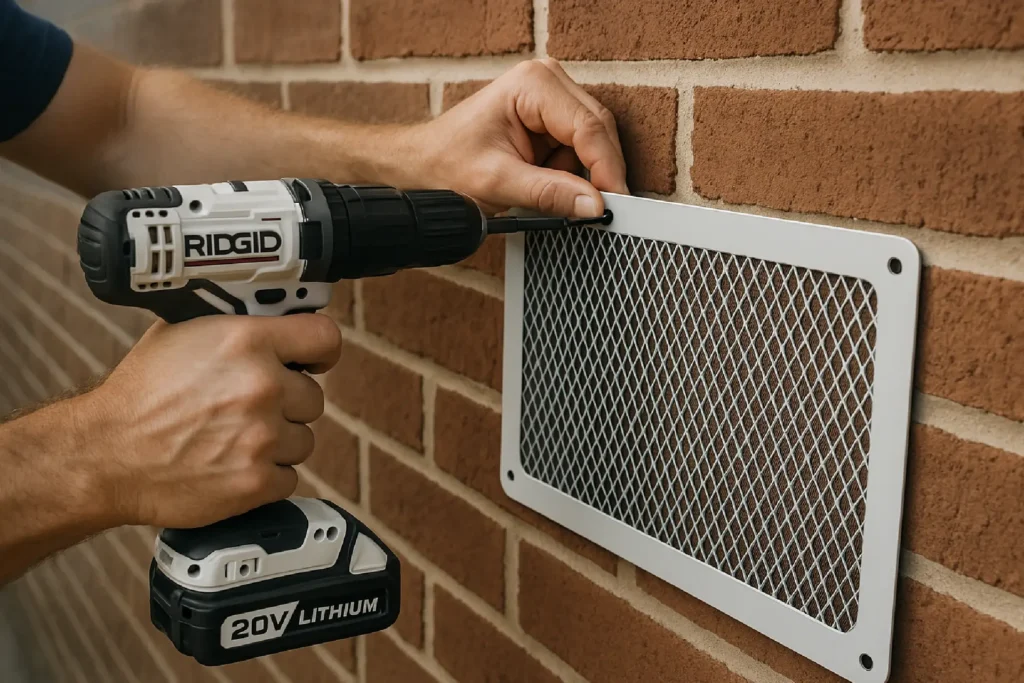
Fill gaps in brickwork, around fascias, under roof tiles and in damaged airbricks, especially where a colony has been before.
Unused chimneys are a favourite spot for honey bee swarms. A chimney cap or mesh keeps them out.
Masonry bees prefer old, soft lime mortar. Repointing the affected areas is the long-term fix if they return every spring.
We never exterminate honey bees. We carefully collect them and rehome them with local beekeepers or in our own hives.
Most bees aren’t specifically protected by law, but they’re vital pollinators. That’s why we relocate honey bees and usually advise leaving bumblebee and solitary bee nests alone.
Only a few months. Most bumblebee nests die off naturally by late summer and aren’t used again.
Often, yes. A resting swarm usually moves on within a day or two once scouts find a new home. If it moves into your wall or roof, it’s much harder to deal with, so call us early.
No. Blocking a colony in can force bees into the house, and the comb left behind can melt and attract new swarms. It needs removing properly.
Honey bee colonies can stay in a cavity for years. Old comb and its scent can also attract new swarms, which is why removing it and sealing the gap matters.
It depends on the type of bee, where the nest is and whether comb needs removing. We give you a clear quote once we know what you’ve got.
We help with bees at homes, farms and businesses across Wiltshire and the borders of Somerset, Dorset and Hampshire, including:
Swindon, Bath, Salisbury, Chippenham, Andover, Trowbridge, Devizes, Frome, Warminster, Melksham, Shaftesbury, Calne, Marlborough, Corsham, Westbury, Amesbury.

– WHAT WE TREAT –
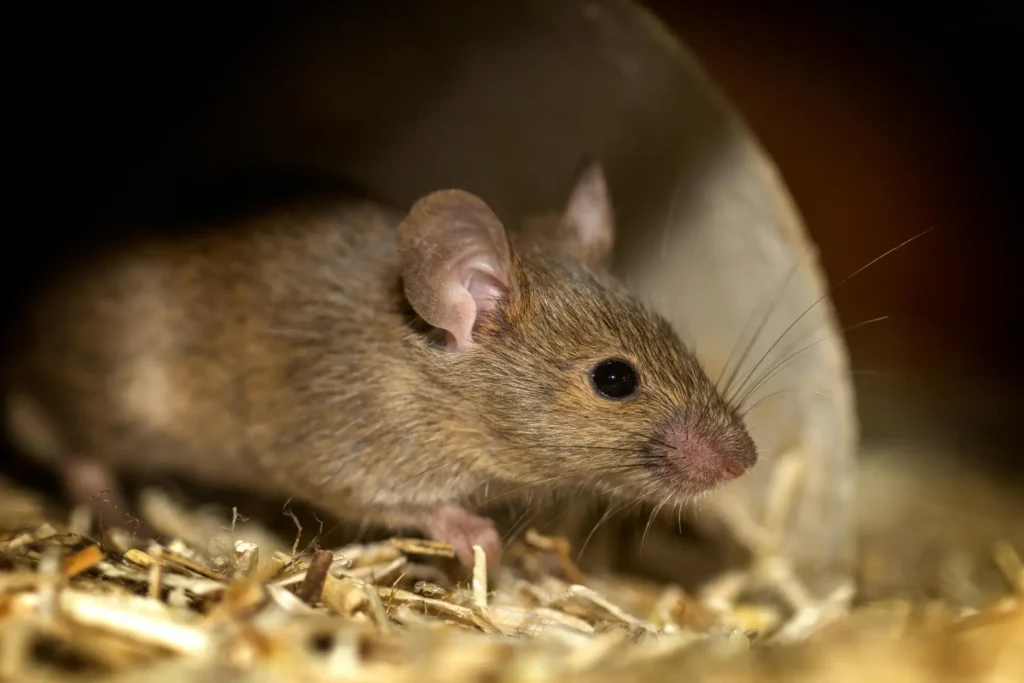
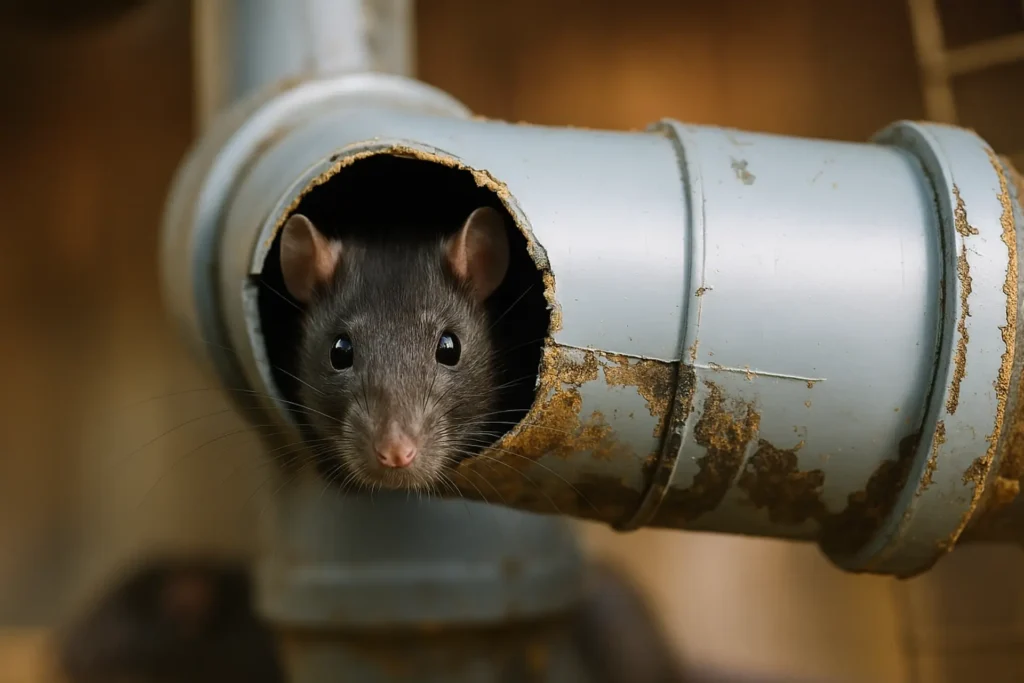
Eliminates mice with targeted treatments, preventing future infestations permanently.
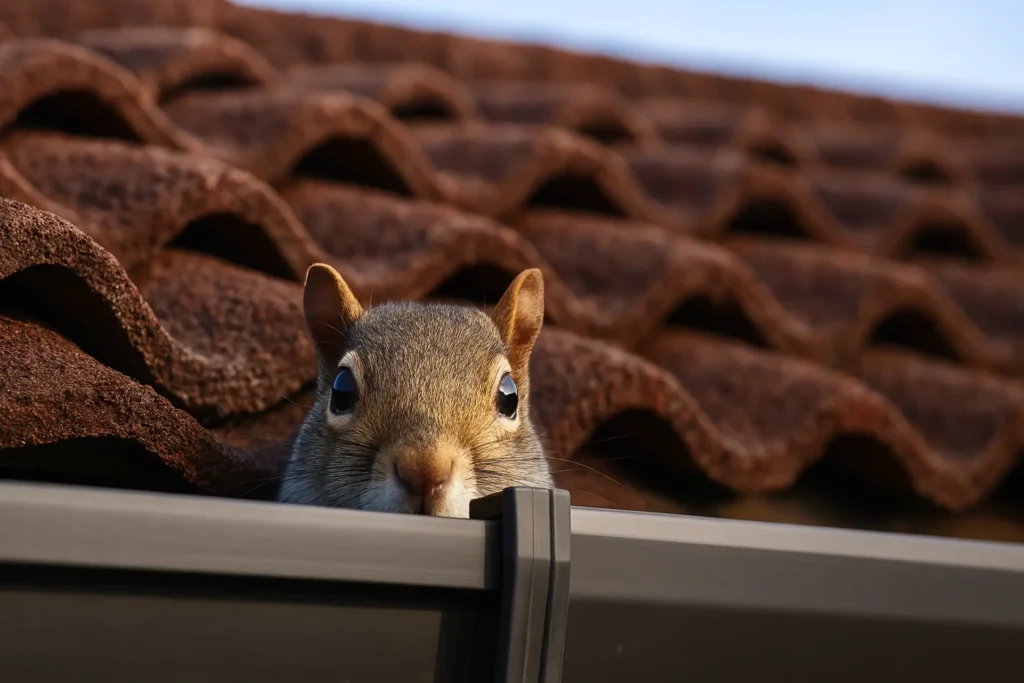
We remove Grey Squirrels humanely and seal entry points to stop them coming back.
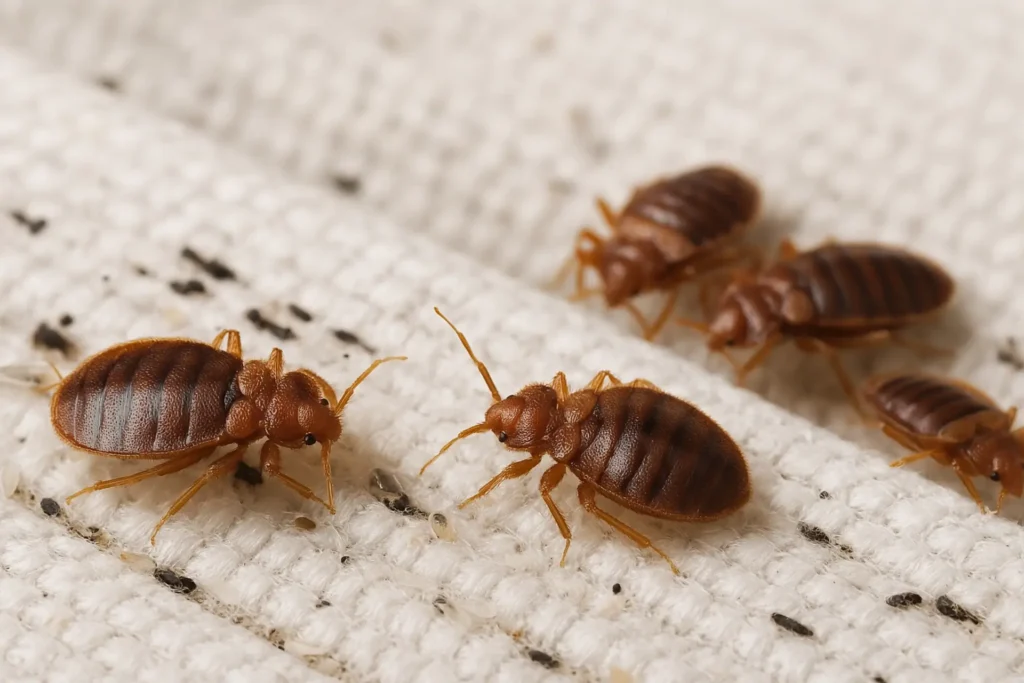
Bed bugs hide in cracks and crevices, making DIY removal nearly impossible.
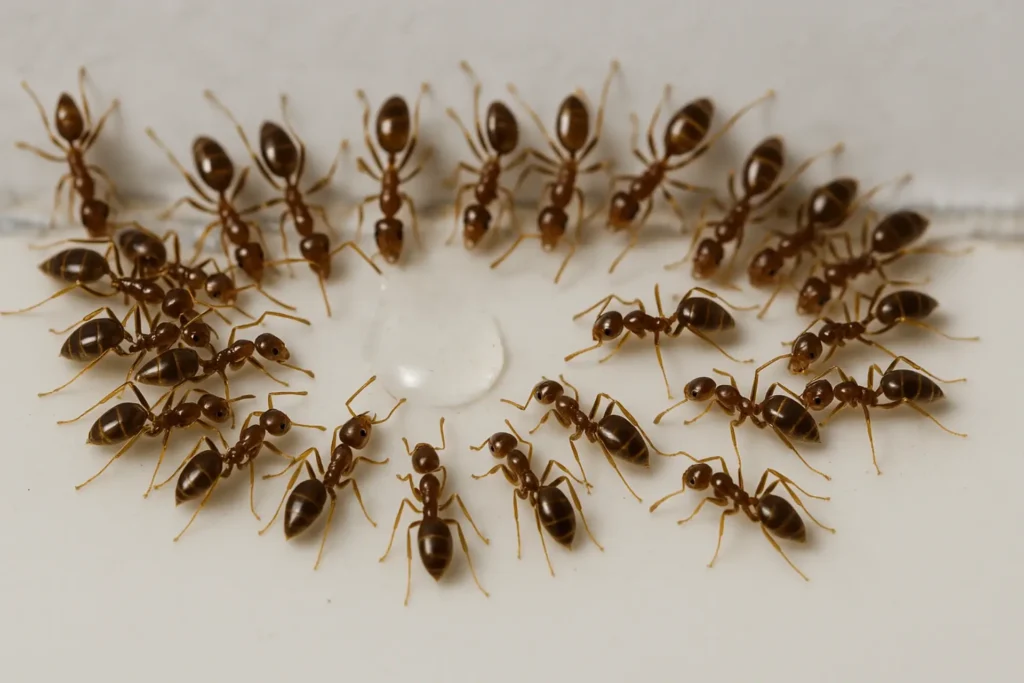
Ants invade properties in search of food. We eliminate ant colonies at the source….
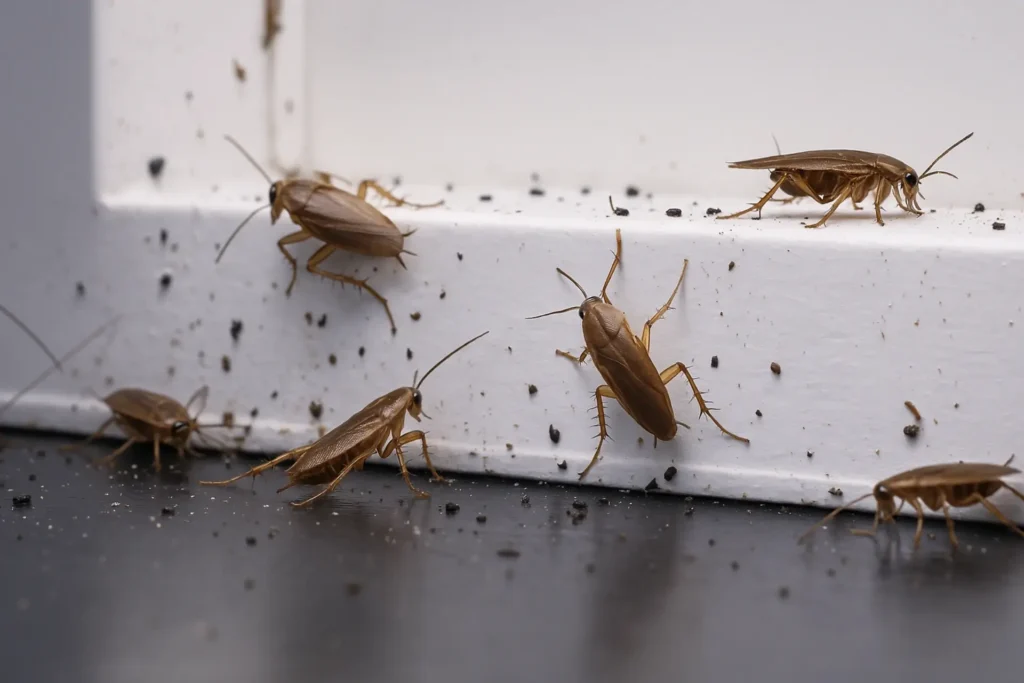
Cockroaches spread disease and are notoriously resilient. Our specialist treatments…
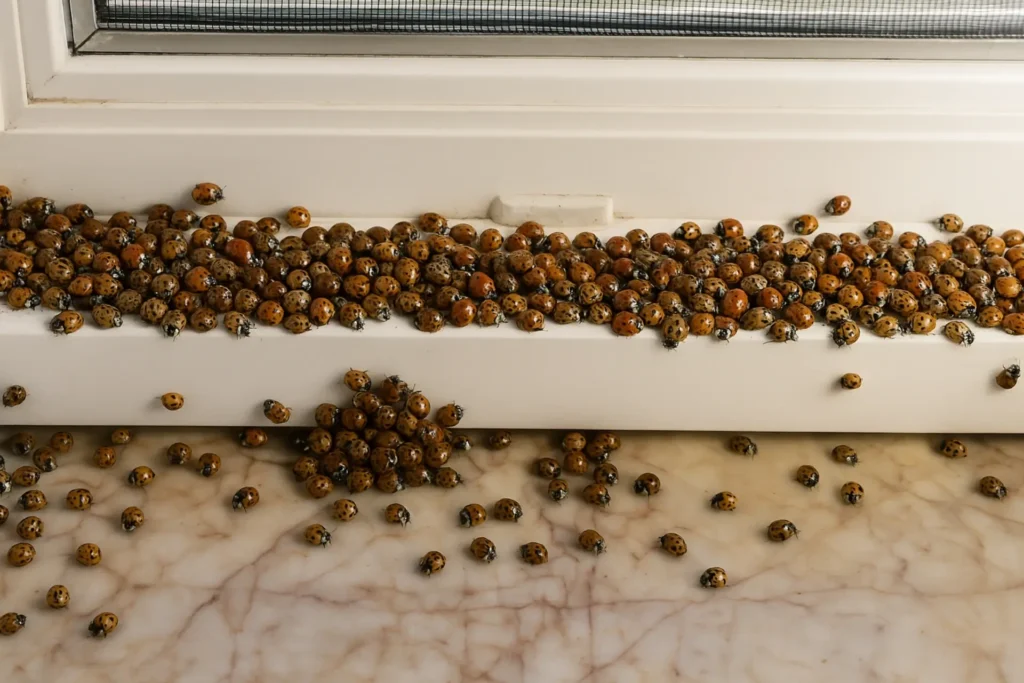
Large ladybird infestations can become a nuisance, particularly in autumn.
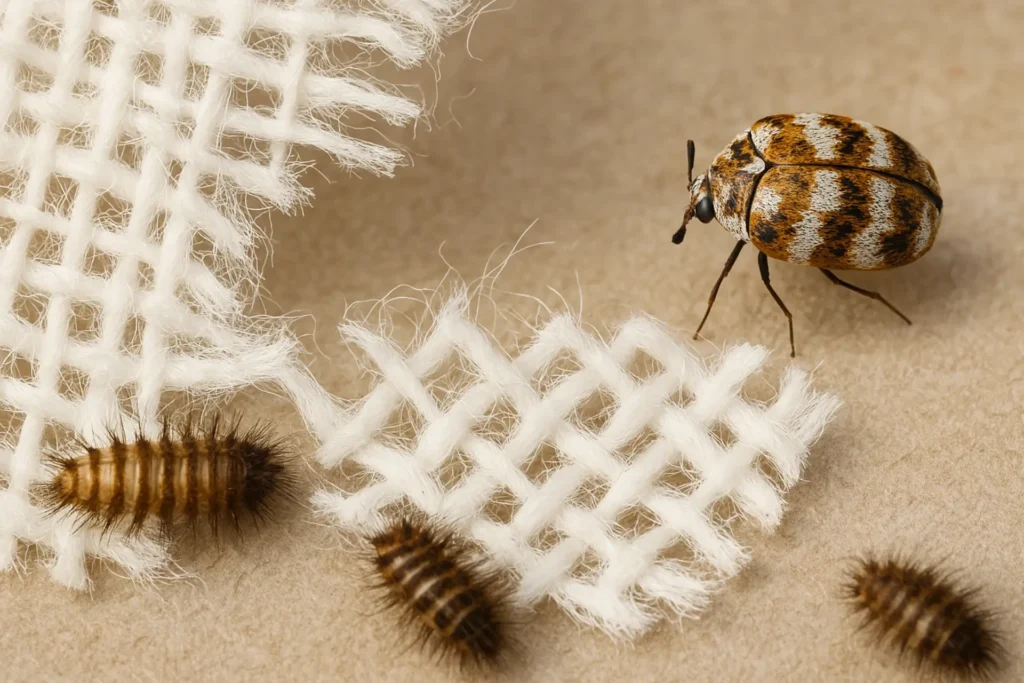
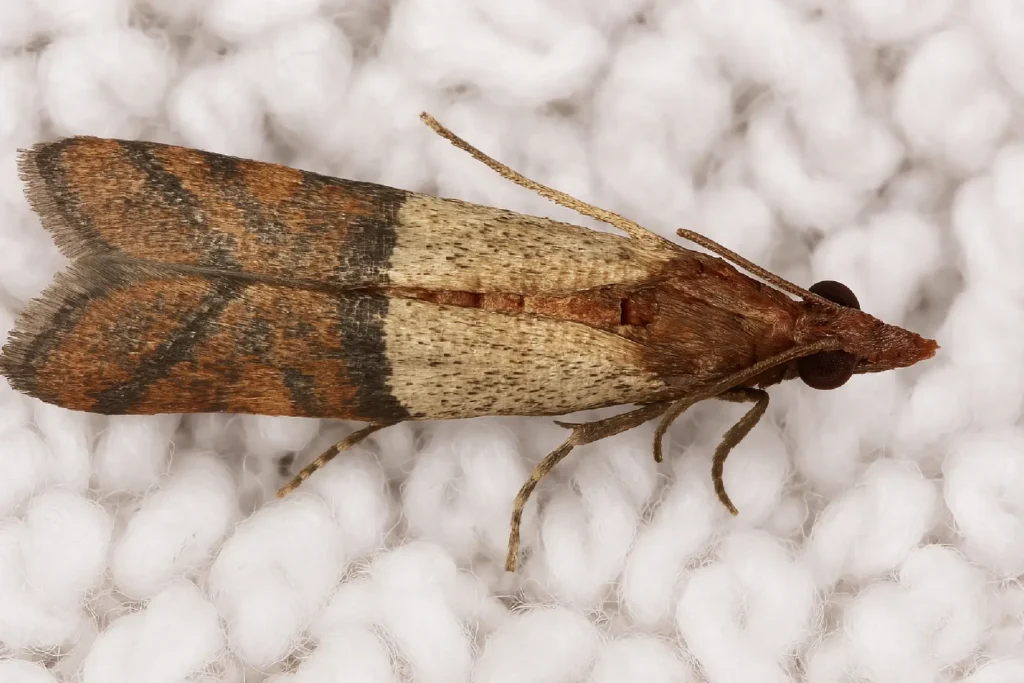
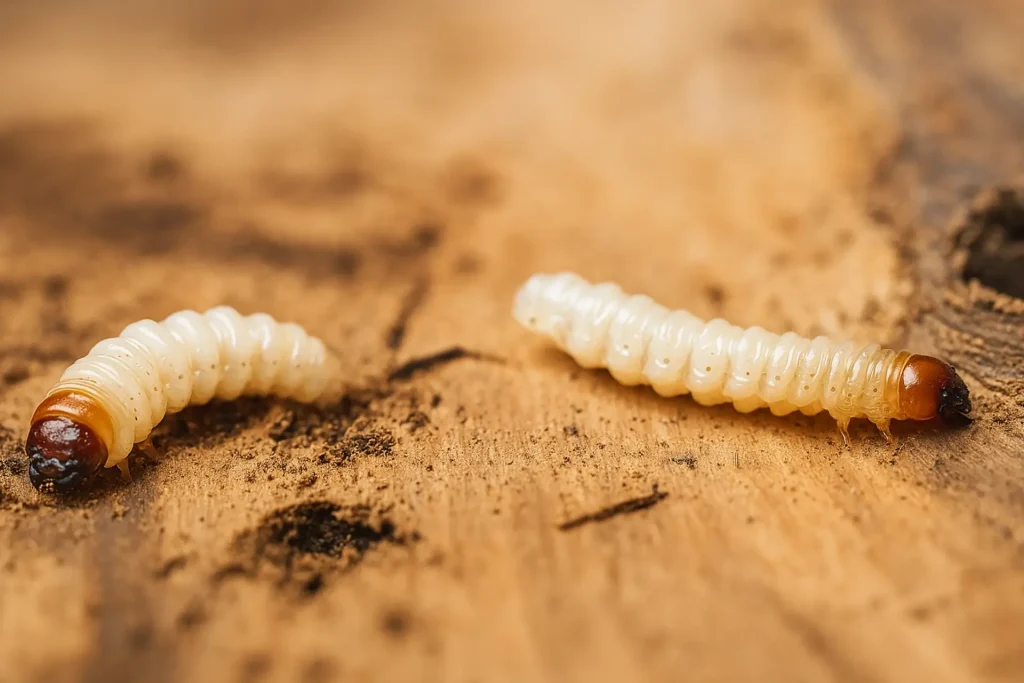
From carpet beetles to grain beetles, we identify and treat beetle infestations…
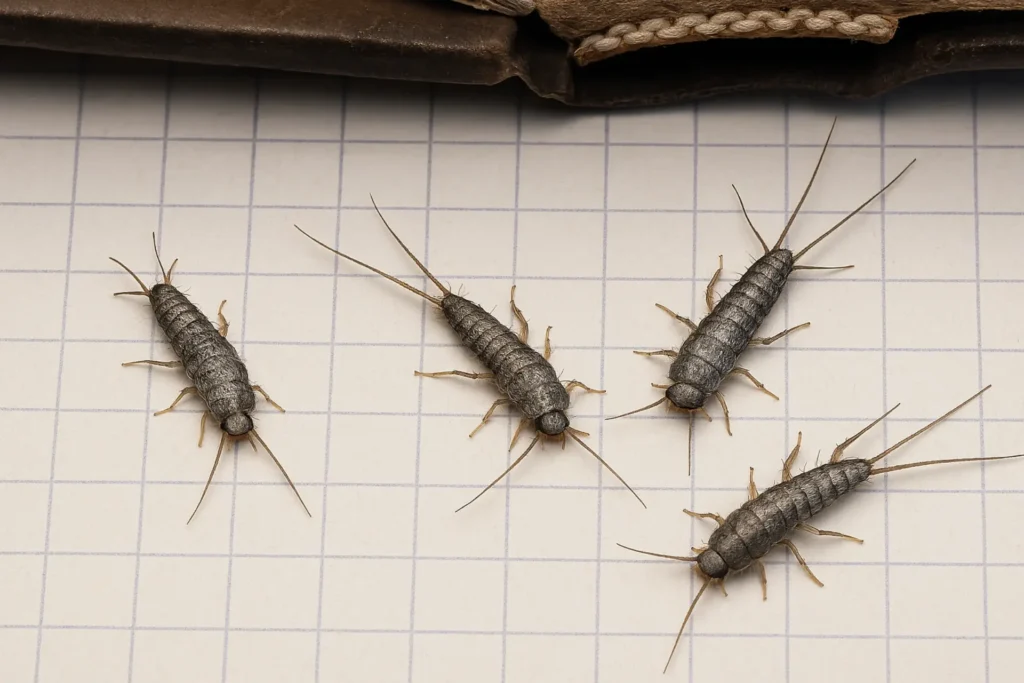
Silverfish thrive in damp conditions and damage books, wallpaper, and fabrics.

Moles can destroy gardens, sports fields, and landscapes. Our expert mole removal…
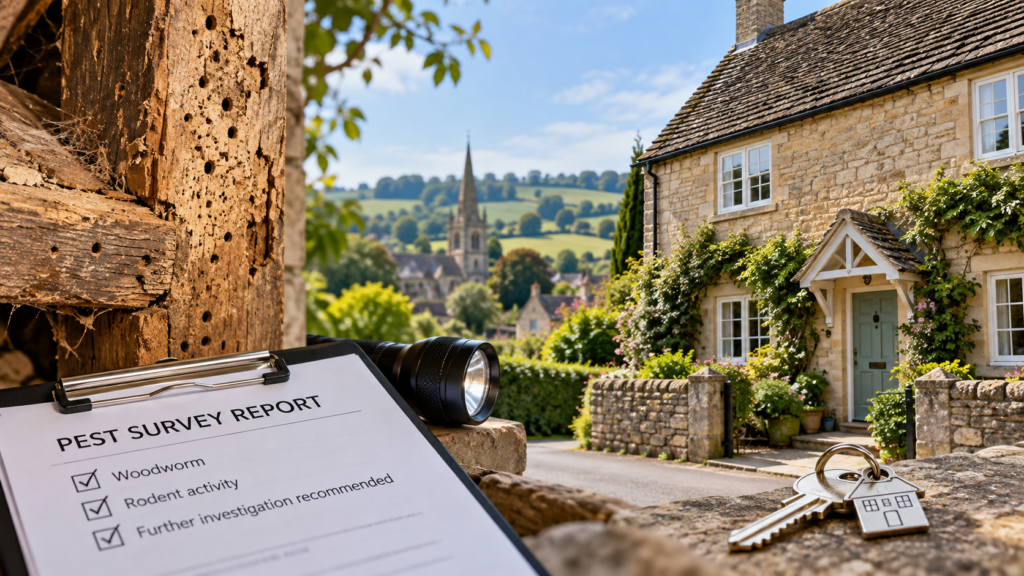
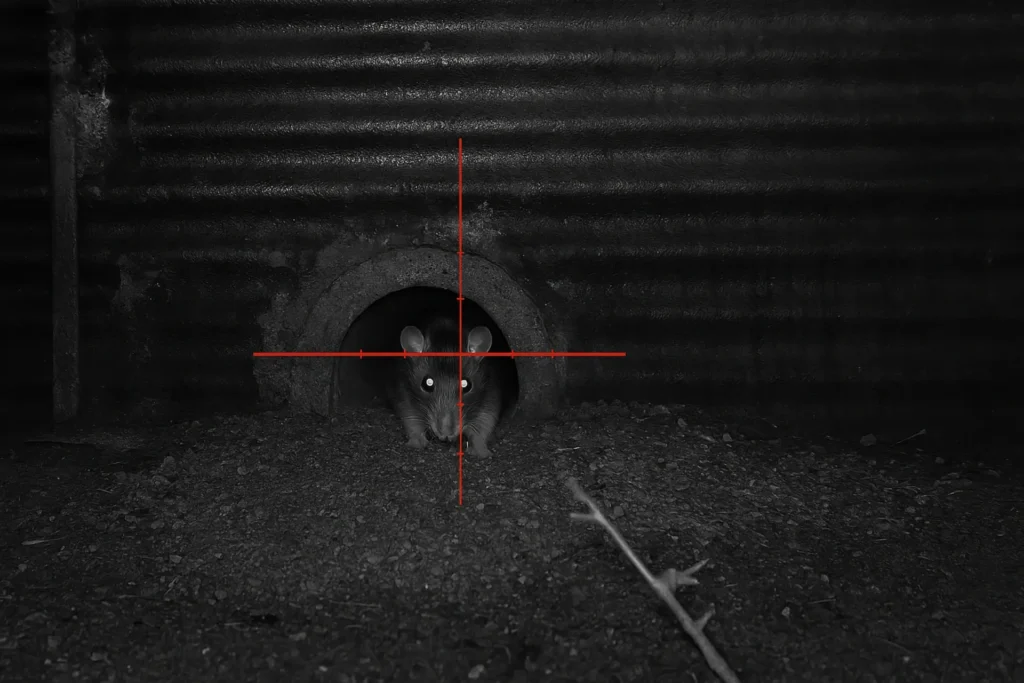
Humanely eliminates large-scale rodent and bird infestations efficiently.

Decontaminates properties after infestations, ensuring hygiene and safety.
Wiltshire Pest Services Ltd provides professional pest control for homes and businesses across Wiltshire and into Somerset, Dorset and Hampshire, covering the SN, BA and SP postcode areas. Whether it’s rodents, insects, birds or proofing work, we offer a fast, reliable and discreet service. Not sure if we cover your area? Call us on 07711 259749 and we’ll let you know.
– TOWNS WE SERVE –
🐭 We Keep Digital Pests Under Control Too!
We use cookies (the good kind) to make your visit smoother, help us understand how our site is used, and improve your experience. By clicking "Accept All", you're allowing us to trap these digital critters responsibly.
Websites store cookies to enhance functionality and personalise your experience. You can manage your preferences, but blocking some cookies may impact site performance and services.
Essential cookies enable basic functions and are necessary for the proper function of the website.
These cookies are needed for adding comments on this website.
Google Analytics is a powerful tool that tracks and analyzes website traffic for informed marketing decisions.
Statistics cookies collect information anonymously. This information helps us understand how visitors use our website.