Rat infestations pose significant threats to both health and infrastructure. In the UK, a comprehensive study found that a single farm’s rat population hosted 13 different zoonotic parasites, including hantavirus and leptospirosis, highlighting the serious disease risks these rodents can carry via urine, droppings, and saliva. Furthermore, national surveys show that 0.28–0.46% of UK homes harbor indoor rat populations, with outdoor infestations even more common, affecting up to 3.9% of properties, making rat encounters much more widespread than many assume.
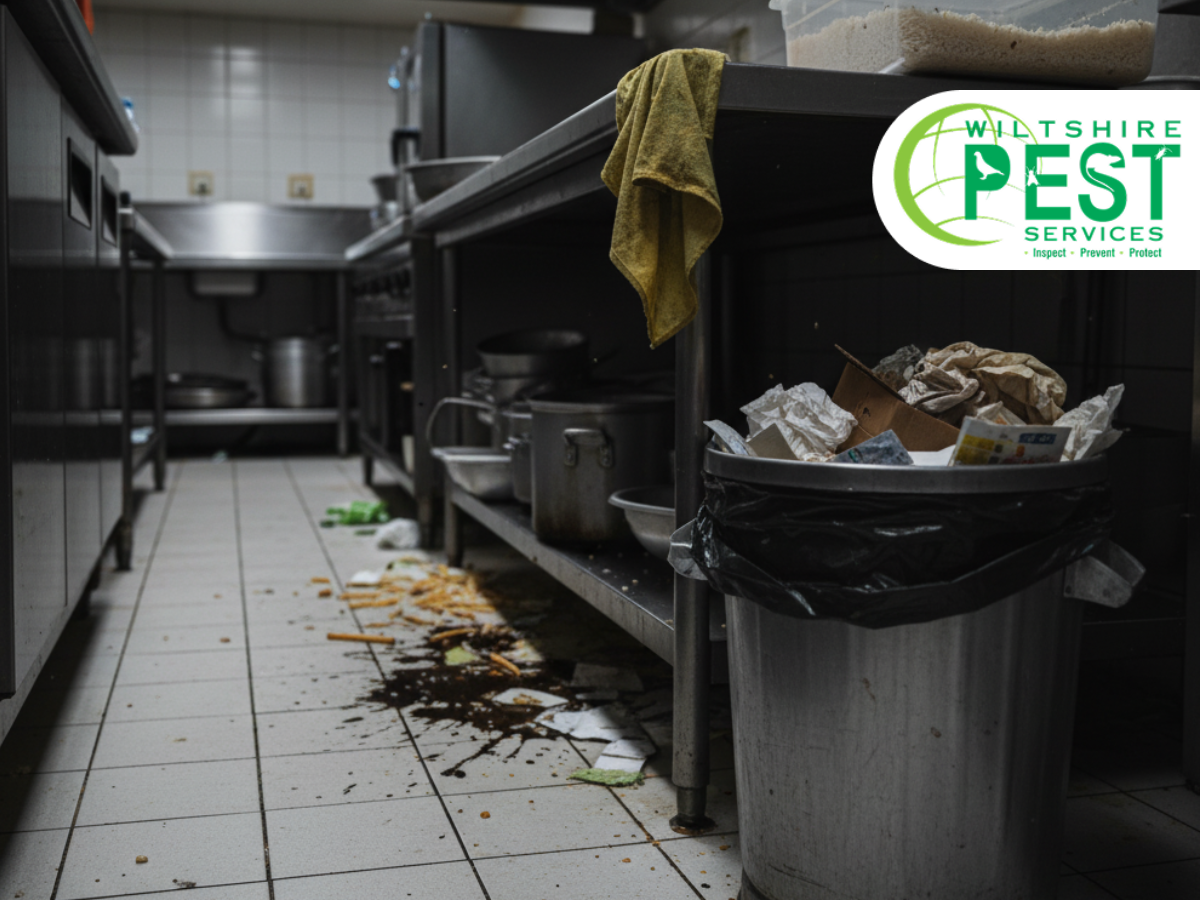
Look out for droppings (often dark and capsule-shaped), gnaw marks on wires or wooden structures, greasy rub marks along skirting boards, and odd smells such as ammonia or musky odours. Disturbingly, sightings of kitchen rat activity are especially telling.
Secure food in airtight containers, seal waste bins tightly and clear clutter. Close off obvious entry points such as gaps around pipework or damaged skirting boards. Keep pets’ food stored securely.
While DIY efforts can help, professionals can locate nests in hard‑to‑reach places like cavity walls or lofts and use targeted baiting and proofing methods. We follow industry-best practice and local regulations, providing safer and more sustainable results. For full-service options, visit our rat control service.
Rats exploit small gaps around vents, pipework, brickwork erosion or damaged mortar. Once inside, they chew insulation and build nests protected from predators and cold.
Listen for scratching and scuttling at night, look for fresh droppings around vents and notice unusual warmth in wall cavities.
We use internal bait stations placed discreetly in accessible cavities and proof vulnerable areas. Improving mortar, vents and adding physical barriers are key long-term solutions.
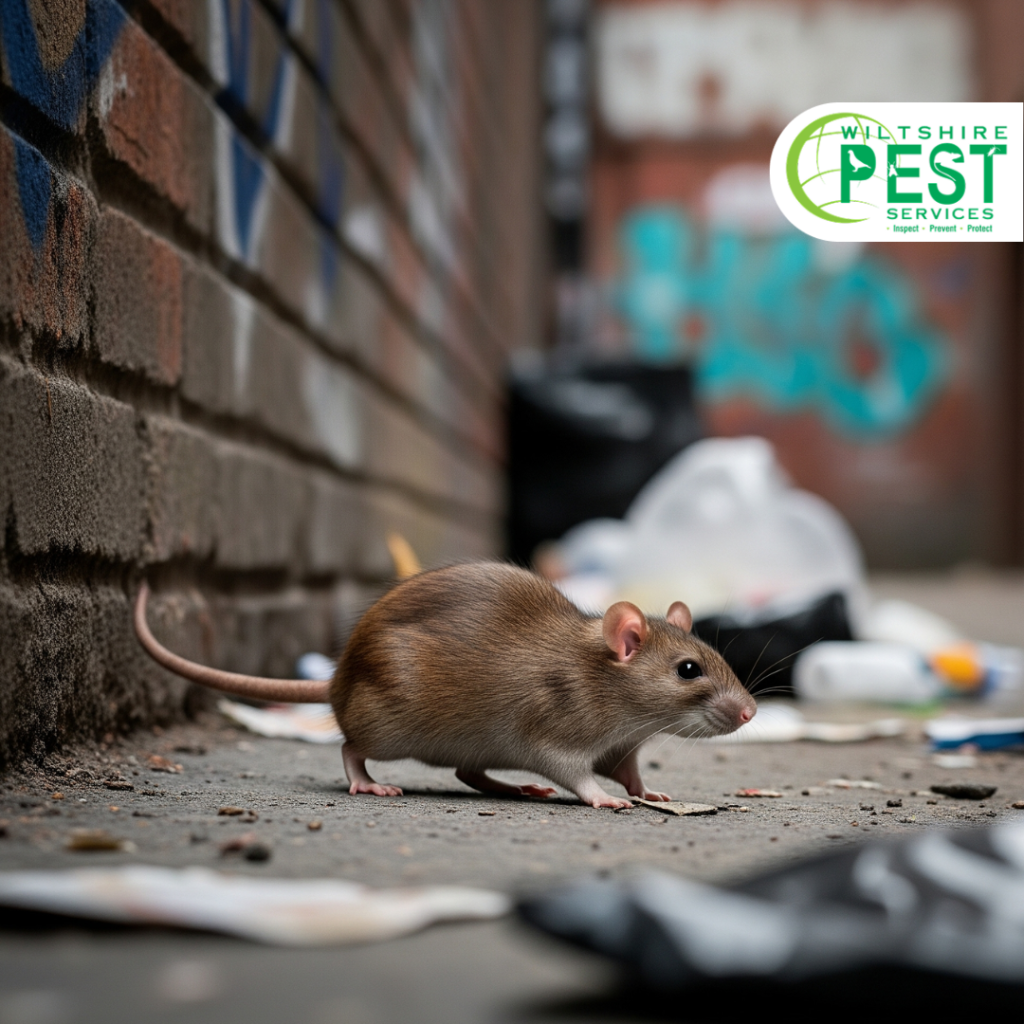
Rats are primarily nocturnal, emerging at dusk to forage. We’ve even observed activity around dusk in small villages near the River Avon.
Frequent sightings before dawn often point to a larger colony nearby, whereas a single rat at night may be an opportunist.
Timing trapping or baiting before dusk increases success. Regular professional monitoring ensures we catch early signs of resurgence.
They offer warmth, safety and access points such as loft hatches or pipe chases.
We use long probes attached to bait stations and occasionally CCTV inspection cameras to locate entry points.
If persistent scratching persists, unexplained droppings appear on ceilings, or gaps are hidden behind insulation, call experts like us for a full inspection and safe elimination.
They find sheltered, dry, quiet spots with easy access to food sheds in gardens can provide plentiful nesting options.
Check for droppings, burrow holes, greased paths along shed bases and overturned soil.
Raise sheds on concrete bases, seal gaps and maintain a cleared perimeter free of debris. Storing firewood neatly reduces shelter for pests.
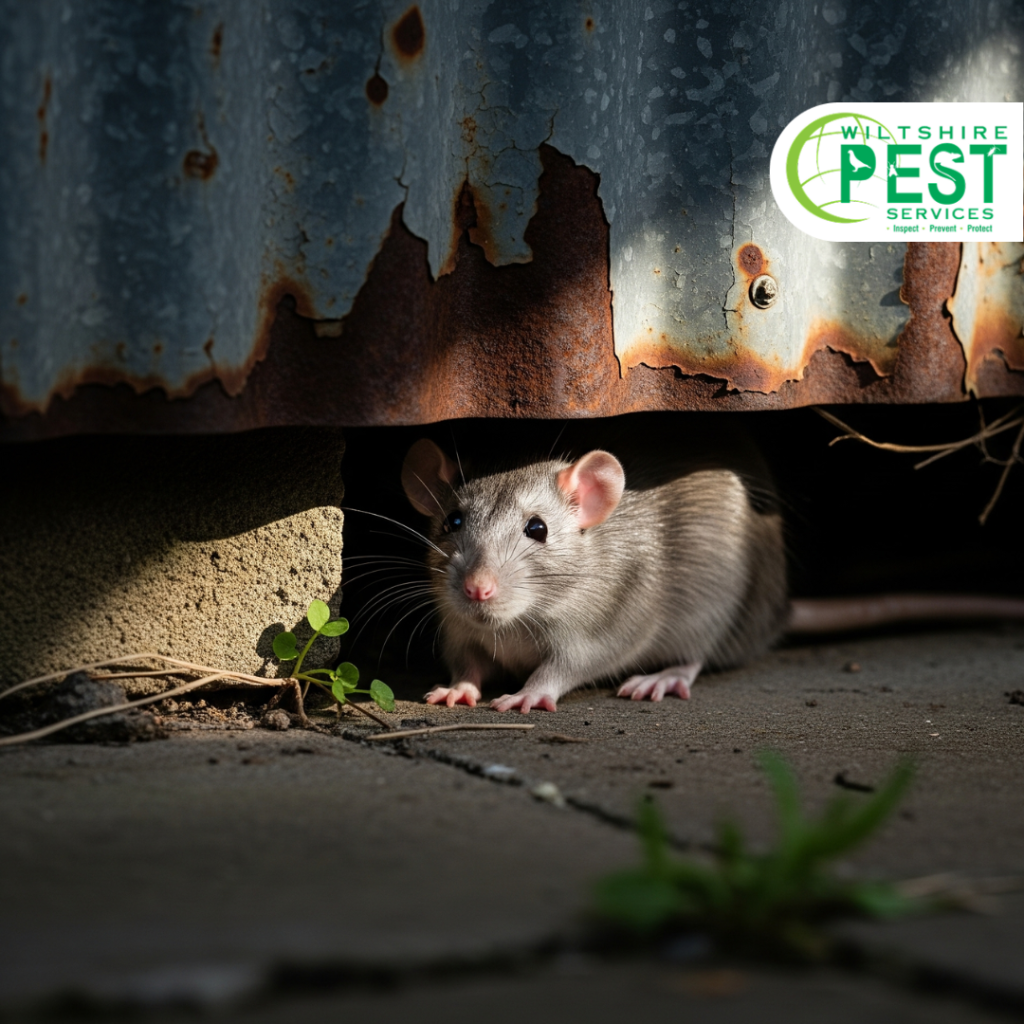
Scratching sounds after dark, greasy tunnel paths, strong musky odours or droppings near shed corners are key indicators.
Use passive infra‑red trail cameras or rubber‑gloved inspection sticks to disturb the area safely.
Set up baiting stations under professional guidance. For a full range of solutions, explore our rat control page.
Tenants must maintain cleanliness and avoid attracting rodents through neglect, such as not disposing of food waste properly.
Under the Landlord and Tenant Act 1985, landlords are generally responsible for ensuring the property is safe and free of infestations at the start and during tenancy.
Document issues with dated photos and written notice to your landlord. Keep records of maintenance requests and written replies.
Rats squeeze into broken sewers or drain covers to move through underground, sometimes emerging in garden sheds or basements.
If the infestation stems from your property’s drains, you or your landlord must fix the issue. If arising from public sewers, the water company or local authority is usually responsible.
Report public drain infestations to your water provider. Landlords should notify authorities promptly to avoid legal liability.
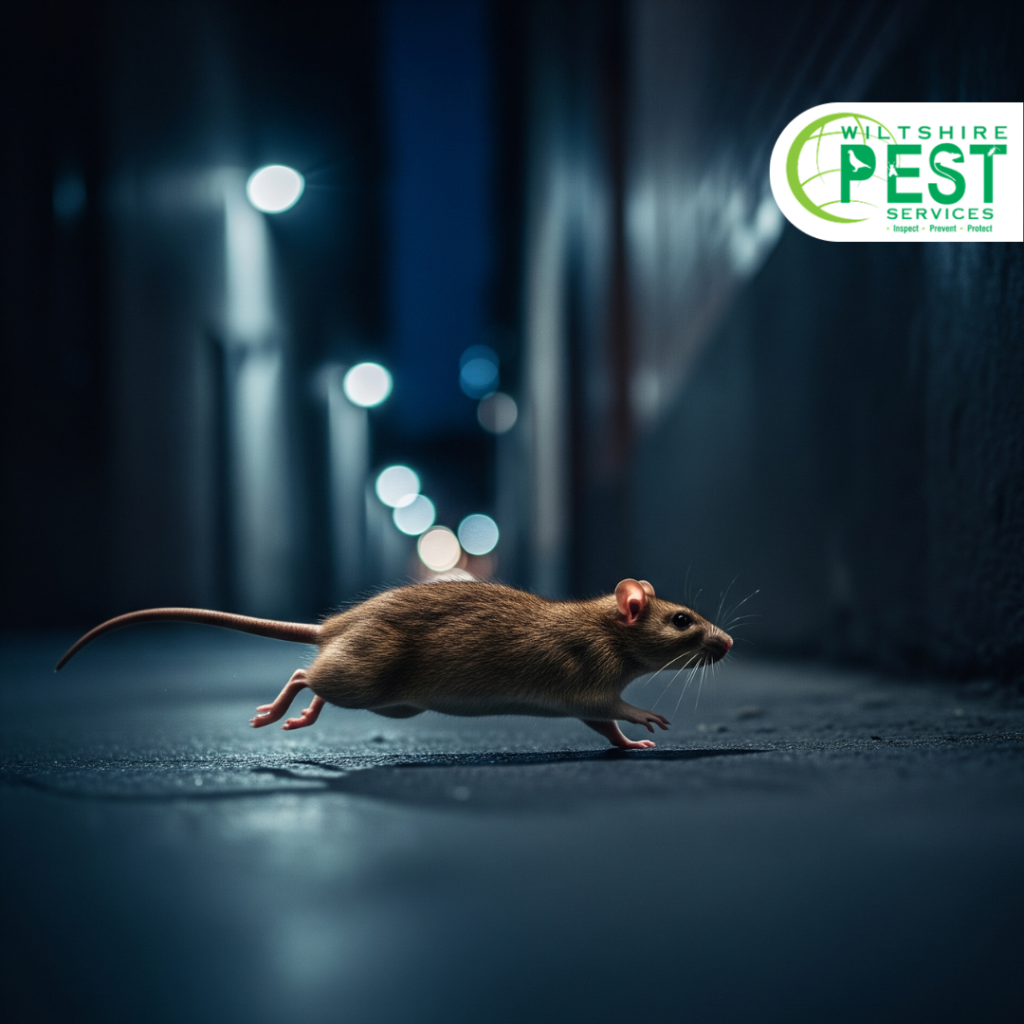
Seeing rats during the day often suggests overcrowding or scarcity of food – a serious issue.
Missed daytime activity can indicate a larger, deeper infestation in walls or under floors.
Choose continuous baiting and consider daytime inspections if rats emerge in daylight.
Landlords should include pest control clauses in tenancy agreements clarifying responsibilities.
Landlords must maintain the structure and exterior, including preventing and treating infestations under the Landlord and Tenant Act 1985.
Infestations caused by poor hygiene or unauthorised pet feeding may be tenant responsibility.
Scratching, scuttling and musky odours often point to nest hiding beneath floorboards.
Listen closely at night, tap suspect boards, and feel for hollow areas; then lift boards carefully in a small test area.
Replace damaged insulation, seal gaps and consider installing a rat barrier at the base of floor supports.
Look for signs such as burrow holes around the base, grease marks, droppings, or scurrying noises at dusk. Rats under garden sheds often build nests where it’s quiet and undisturbed.
Yes. Rats are agile climbers and can nest in ceiling voids through small entry points. Even without visible access, they often enter through loft hatches or pipe chases.
Generally, yes, especially if the infestation existed before the tenancy or results from structural faults. Tenants may be responsible if the problem stems from poor hygiene or negligence.
Rats are mostly nocturnal, but seeing them during the day often indicates a serious infestation. This can mean food competition or a large nest needing more resources.
Clean and secure all food, block off access points, and disinfect surfaces. A kitchen rat requires urgent attention, contact professionals immediately for safe and effective control.

We also cover properties within the SN and BA postcode areas, ensuring homes and businesses receive fast, reliable, and discreet pest control services.
If you’re unsure whether we cover your location, contact us today, and we’ll be happy to assist!
-Service Areas-
Wiltshire Pest Services Limited offers professional pest control treatments across Wiltshire and surrounding areas. Whether you’re dealing with rodents, insects, birds, or require proofing solutions, we are here to help in the following locations:
🐭 We Keep Digital Pests Under Control Too!
We use cookies (the good kind) to make your visit smoother, help us understand how our site is used, and improve your experience. By clicking "Accept All", you're allowing us to trap these digital critters responsibly.
Websites store cookies to enhance functionality and personalise your experience. You can manage your preferences, but blocking some cookies may impact site performance and services.
Essential cookies enable basic functions and are necessary for the proper function of the website.
These cookies are needed for adding comments on this website.
Google Analytics is a powerful tool that tracks and analyzes website traffic for informed marketing decisions.
Statistics cookies collect information anonymously. This information helps us understand how visitors use our website.