Finding a wasp nest in your loft is unsettling, and for good reason. A loft puts a colony of hundreds, sometimes thousands, of wasps directly above the rooms where your family sleeps. For most people a sting is painful but harmless, yet according to Allergy UK there are around ten reported deaths from wasp or bee sting reactions in the UK every year. Anaphylaxis UK also notes that a sting can trigger a large local reaction or, in a small number of people, a life threatening systemic one. With a nest tucked into your roof space, those risks sit far too close to home.
The good news is that a wasp nest in a loft is a common, manageable problem when it is handled properly. This guide explains why wasps choose lofts, how to spot a nest, when it needs to go, and why professional removal is almost always the safer choice. At Wiltshire Pest Services Ltd, we deal with loft nests across the county every summer, working discreetly and only ever recommending the treatment your situation actually needs.
Why Wasps Build Nests in Lofts
Lofts give a queen wasp almost everything she looks for when starting a colony in spring. They are warm, sheltered, and rarely disturbed, which lets a nest grow through the season without interference. A queen begins with a small structure about the size of a walnut or golf ball, then expands it as worker numbers climb into mid and late summer.
Wasps are drawn to loft spaces for a few specific reasons:
- Warmth and shelter from the elements, which helps the colony develop quickly
- Quiet, undisturbed corners under eaves, around water tanks, and along roof timbers
- Easy access to the outdoors through gaps in fascia boards, soffits, and roof tiles
- Plenty of timber and exposed wood nearby, which wasps chew to build their papery nests
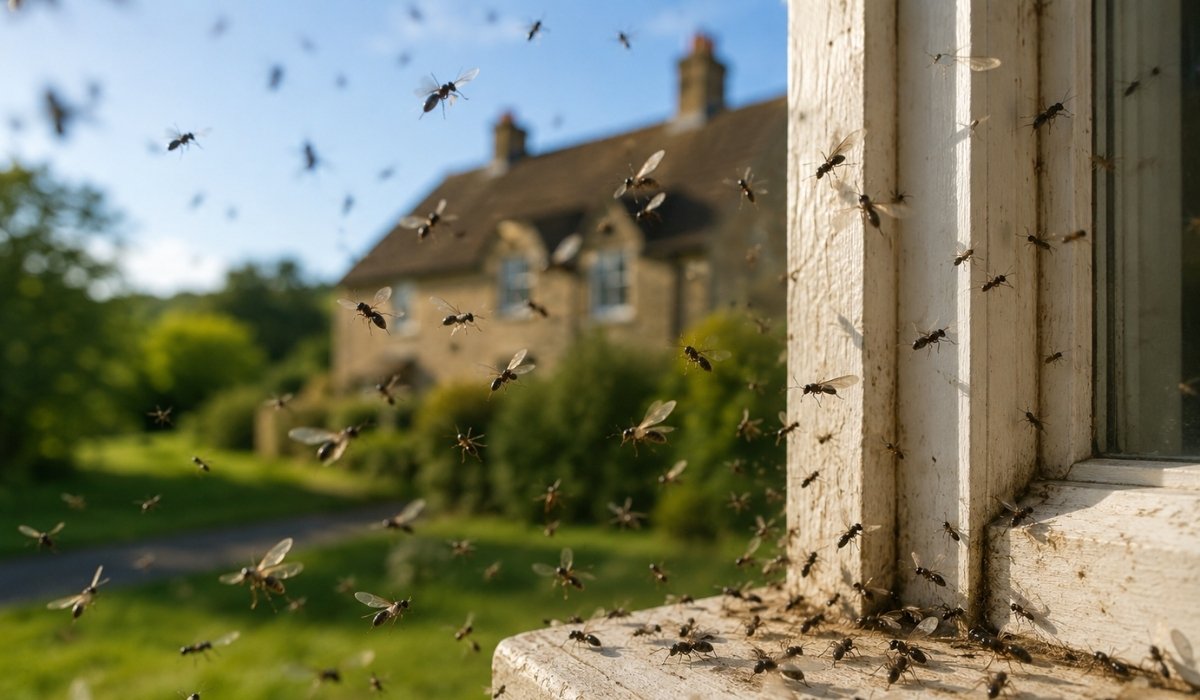
Because the entry points are often tiny, you may see wasps coming and going from the outside of your roofline long before you realise a nest has formed inside. By the time activity is obvious, the colony is usually well established.
Signs You Have a Wasp Nest in Your Loft
Wasp nests in lofts are not always easy to find, but there are reliable clues. Look and listen for the following:
- Steady traffic at the roofline. A repeated stream of wasps entering and leaving the same point on your fascia, soffit, or roof tiles is the clearest sign of a nest behind it.
- Wasps appearing indoors. Finding more than the occasional wasp on your upper floors, especially in warm weather, often means they are slipping in from a loft nest through gaps around light fittings and pipework.
- A faint buzzing or droning. A low, continuous hum from the ceiling or roof space, sometimes mistaken for distant traffic, can point to an active colony.
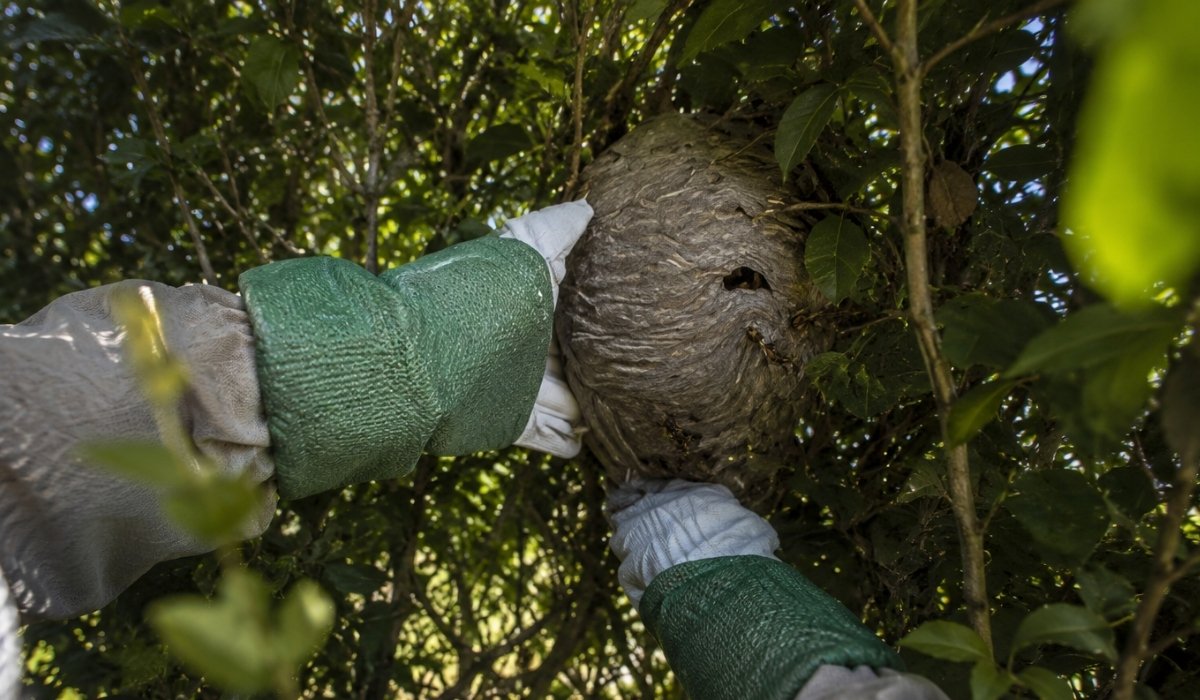
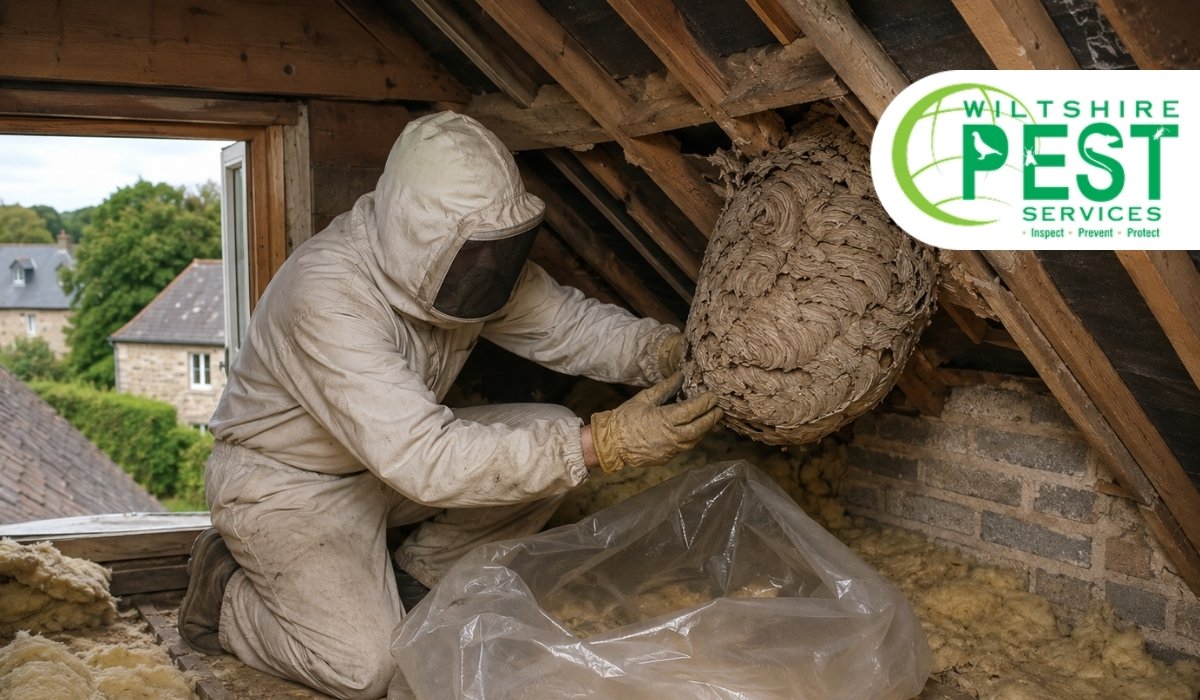
- A papery, layered structure. If you can safely see into the loft, an established nest looks like a grey, paper mache ball and can grow surprisingly large.
If you spot any of these, avoid going near the nest to inspect it closely. Disturbing wasps in an enclosed loft is exactly the situation where stings become most likely.
Should You Remove a Wasp Nest From Your Loft, or Leave It?
Wasps are useful insects. They pollinate plants and prey on garden pests like aphids and caterpillars, and a small, out of the way nest discovered late in the season will often die off naturally once the first hard frosts arrive, usually in October. In that narrow scenario, leaving it alone can be reasonable.
A loft nest, however, is rarely that simple. Removal is strongly recommended when:
- Wasps are regularly getting into your living space, more than the odd one or two a day
- Anyone in the household has a known sting allergy, or you have young children or pets
- The nest sits near the loft hatch, water tank, or anywhere you need to access
- The nest is large or still actively growing through summer
When in doubt, a professional assessment removes the guesswork. We can tell you quickly whether a nest is safe to leave or needs treating, without pushing you toward work you do not need.
Why DIY Wasp Nest Removal Is So Risky
It is tempting to deal with a loft nest yourself, but it is one of the most dangerous DIY jobs around the home. When a nest is threatened, the entire colony can pour out to defend it, and a single wasp can sting many times. In a confined loft, with limited light and an awkward exit, that is a genuinely hazardous place to be.
Common home remedies tend to make things worse rather than better:
- Sprays and shop bought foams often fail to reach a nest hidden deep in the eaves, leaving the colony agitated and intact.
- Water and flooding will not destroy a nest, and indoors it can damage ceilings and electrics while making the wasps far more aggressive.
- Fire is extremely dangerous. Nests are made of dry, chewed wood pulp that is highly flammable, and a loft is the worst possible place to introduce a naked flame.
- Blocking the entry hole traps the wasps inside, where they will simply chew a new route out, often into your bedrooms.
Professionals carry the protective equipment, the correct insecticides, and the experience to treat a nest properly the first time. The cost of a single call out is small next to a course of stings or a trip to A&E.
How Professionals Remove a Wasp Nest From a Loft
Professional treatment is methodical and quick. Most loft nests are dealt with in a single short visit. Here is what to expect when we attend:
Step 1: Inspection. We locate the nest, identify the entry points, and assess the size and position of the colony before deciding on the safest approach.
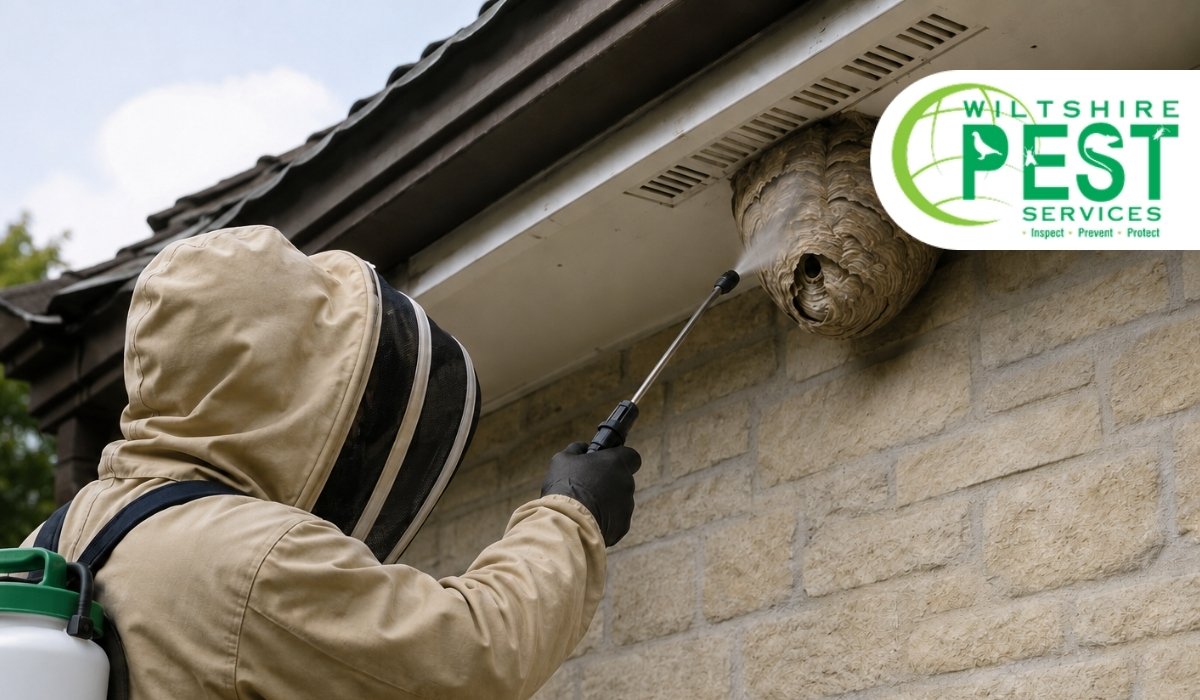
Step 2: Treatment. Wearing full protective equipment, we apply a professional grade insecticide directly to the nest and the wasps flight path. The workers carry it through the colony, treating the nest at its core.
Step 3: Settling period. Activity drops sharply within hours and usually stops completely within a day or two as the colony dies off. We will advise you to keep clear of the area during this time.
Step 4: Removal and proofing advice. Where it is safe and practical, the treated nest can be removed. We then point out the gaps that let the wasps in, so the same spot is less likely to attract a new queen next year.
Every treatment we carry out is handled by a fully qualified technician. Our team holds BPCA certification, includes a Fellow of the RSPH, and works to a minimum Level 2 qualification, so the job is done correctly and safely. You can see the full scope of our pest control services if you are dealing with more than just wasps.
Wasp Nest or Bee Nest? Why the Difference Matters
Before any nest is treated, it is vital to confirm what you are actually dealing with. Wasps and honey bees look similar to many people, but they are treated very differently. Wasps are slim, brightly banded, and lose little hair, while honey bees are rounder, hairier, and more golden brown.
This matters because honey bees are a protected, declining species, and we never exterminate them. If we find honey bees in your loft or wall, we arrange to rehome the colony safely with a local beekeeper instead. If you are unsure what has moved into your roof, our bee control and removal team can identify the species and recommend the right, responsible course of action.
How to Stop Wasps Nesting in Your Loft Again
Wasps rarely reuse an old nest, but a queen will happily return to a property that suited her last time. If your loft has hosted a nest once, the conditions are clearly right for another, so prevention is well worth the effort.
A few practical steps make a real difference:
- Inspect your roofline in early spring and seal gaps around fascia boards, soffits, and roof tiles before nesting season begins
- Fit fine mesh over air bricks, vents, and any unavoidable openings into the loft
- Keep external bins tightly closed and away from doors and windows to reduce what attracts wasps in the first place
- Check the loft each spring for early, walnut sized nests, which are far easier and safer to treat than mid summer colonies
Sealing a roofline thoroughly is fiddly work, and it is easy to miss the very gap a queen will use. Our proofing services close off entry points properly, giving you long term protection rather than a temporary fix.
Trusted Wasp Nest Removal Across Wiltshire
Wiltshire Pest Services Ltd has been helping homeowners deal with wasps since 2017. We work discreetly, using unmarked vehicles, and we believe in honest advice over hard sales. If a nest is safe to leave, we will tell you, and if it needs treating, we will deal with it quickly and explain exactly what we have done.
We cover Warminster, Trowbridge, Chippenham, Melksham, Devizes, and the wider SN and BA postcode areas. You can see every town we serve on our service areas page. If wasps are getting into your home, the sooner you call, the easier the nest is to deal with.
A wasp nest in the loft is more than a nuisance. It is a safety issue sitting directly above your living space, and it tends to get larger and more defensive as summer goes on. While a small, late season nest in a quiet corner can sometimes be left to die off naturally, most loft nests are best removed by a professional who can do it safely and completely.
Skip the risky DIY remedies, avoid disturbing the nest yourself, and get an expert assessment if you are unsure. For fast, discreet, and genuinely honest wasp nest removal across Wiltshire, get in touch with our team and we will take care of the rest.
Frequently Asked Questions
Costs vary depending on the size and location of the nest and how easy it is to reach. Loft nests in awkward spots can take a little longer, but most are treated in a single visit. Contact us for a clear, upfront price with no surprises and no pressure to add extra treatments.
Sometimes. A small nest found late in the season, in a corner you never use, will often die off naturally by autumn. But if wasps are entering your living space, the nest is large, or anyone in the home has a sting allergy, removal is the safer choice. When in doubt, ask for a professional assessment.
Activity usually drops sharply within a few hours of treatment and stops completely within a day or two. We recommend keeping clear of the nest and its entry points during this period while the colony dies off.
Not while the nest is active. Sealing the entrance traps the wasps inside, and they will simply chew a new way out, often into your rooms. Always have the nest treated first, then proof the entry points afterwards to stop future nesting.
Wasps are slim and brightly banded, while honey bees are rounder, hairier, and more golden. The distinction matters because honey bees are protected and should be rehomed rather than killed. If you are not sure which you have, our technicians can identify the species and recommend the responsible option.