Woodworm treatment cost depends far more on what is happening inside your timber than on the size of the holes you can see. The first job is to find out whether the woodworm is still active at all.
Woodworm is the common name for the larvae of wood boring beetles, and the common furniture beetle is, in the words of the British Pest Control Association, "the most abundant of the wood-destroying insects found in buildings in the UK". Its larvae can spend two to four years feeding under the surface before they chew their way out as adults. By the time you see small round holes, the damage below may be older, newer or wider than it looks.
Holes alone do not prove you have a live problem, and that matters for your budget. English Heritage notes that the eggs and young larvae will not survive if the wood is below 12% moisture content, so many old infestations have long since died out. This guide explains what drives the cost of professional woodworm treatment, how to tell active woodworm from old damage, and when it becomes a structural concern.
How Much Does Woodworm Treatment Cost?
There is no single price for woodworm treatment, because the cost is set by the extent of the infestation, the timbers involved and how easy they are to reach. A small patch in one floorboard and an active attack spread across a roof void are very different jobs. That is why we give you a clear quote only after we have inspected the timber ourselves.
Be wary of any fixed price given over the phone without anyone looking at the wood. It may include treatment for timber that does not need it, or leave out damage that has not been seen yet. An inspection first means you pay for the work the building needs and nothing more.
What Affects the Cost of Woodworm Treatment?
The main factors are severity, property size, the type and location of the affected timber, and whether damp is feeding the problem. Each one changes how much time, access and material the job needs.
Severity and Spread
- Localised attack: a few holes in one board, a stair tread or a single piece of furniture is usually the simplest case.
- Wider spread: activity across several rooms, a full loft or a run of floor joists means more timber to inspect and treat.
- Old damage only: if the infestation has died out, treatment may not be justified at all, which is the best outcome for your wallet.
Property Size and Timber Affected
- Roof timbers and loft spaces: rafters and purlins are often large areas of softwood that take time to work through.
- Floorboards and joists: boards may need lifting to reach the joists beneath, which adds labour.
- Furniture and fittings: loose items can sometimes be dealt with separately from the building itself.
- Number of floors: a larger house with several levels simply has more timber to check.
Access, Species and Damp
- Access: boarded lofts, fitted carpets and built-in units all make timber harder to reach.
- Beetle species: the common furniture beetle is the usual culprit, but deathwatch beetle tends to attack partly decayed hardwoods in older buildings, so the right identification shapes the right treatment.
- Damp: moisture helps woodworm survive, so a leak, poor ventilation or rising damp needs fixing alongside any treatment.
How to Tell if Woodworm Is Active or Old
Active woodworm shows fresh signs, while old damage shows holes with no new dust or beetles. Telling the two apart is the single biggest factor in what you end up paying. Look for these signs:
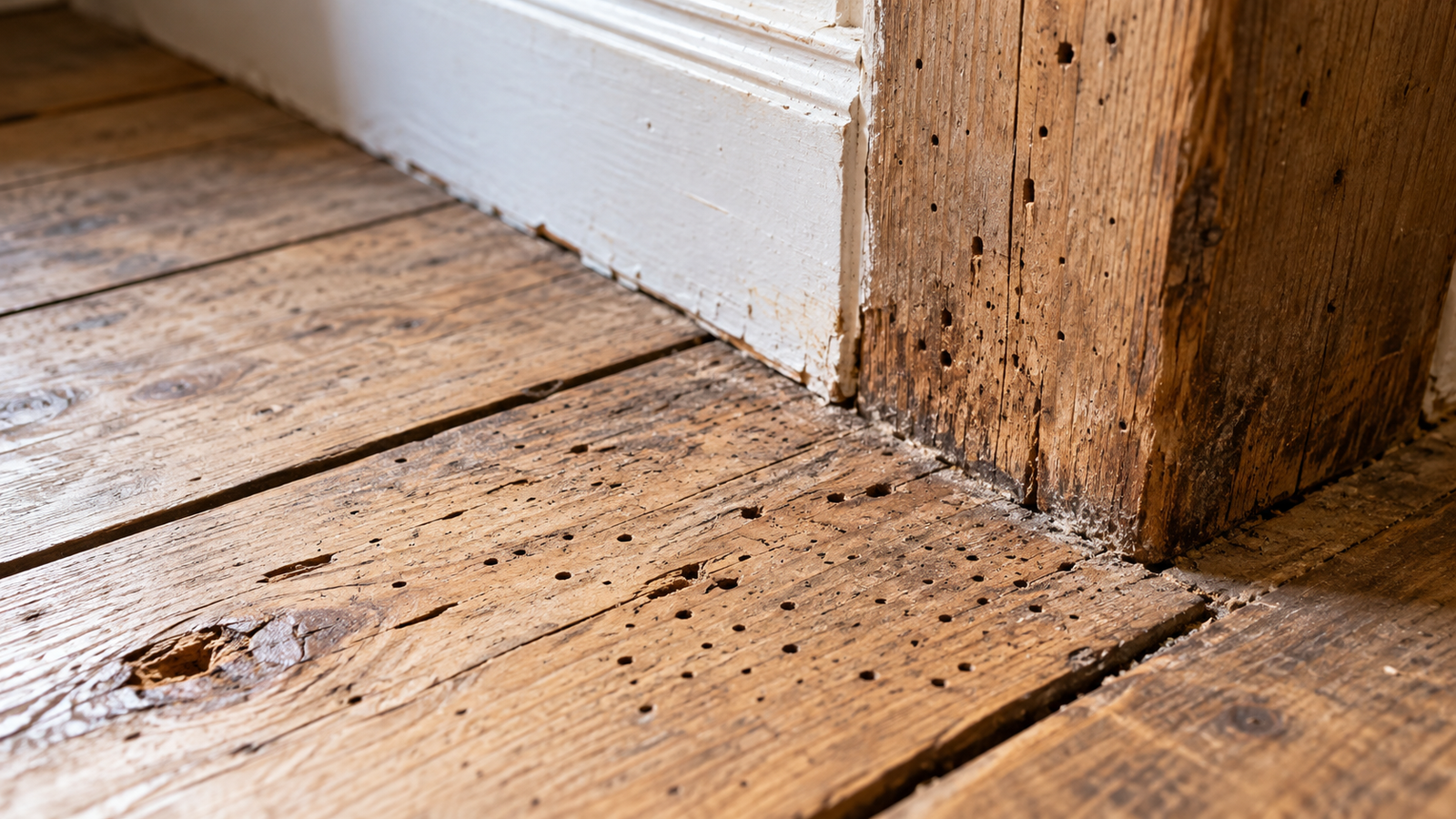
- Fresh exit holes: new emergence holes of the common furniture beetle are around 1 to 2mm across.
- Fresh frass: small piles of fine, gritty bore dust below the holes, which the BPCA likens to fine sand.
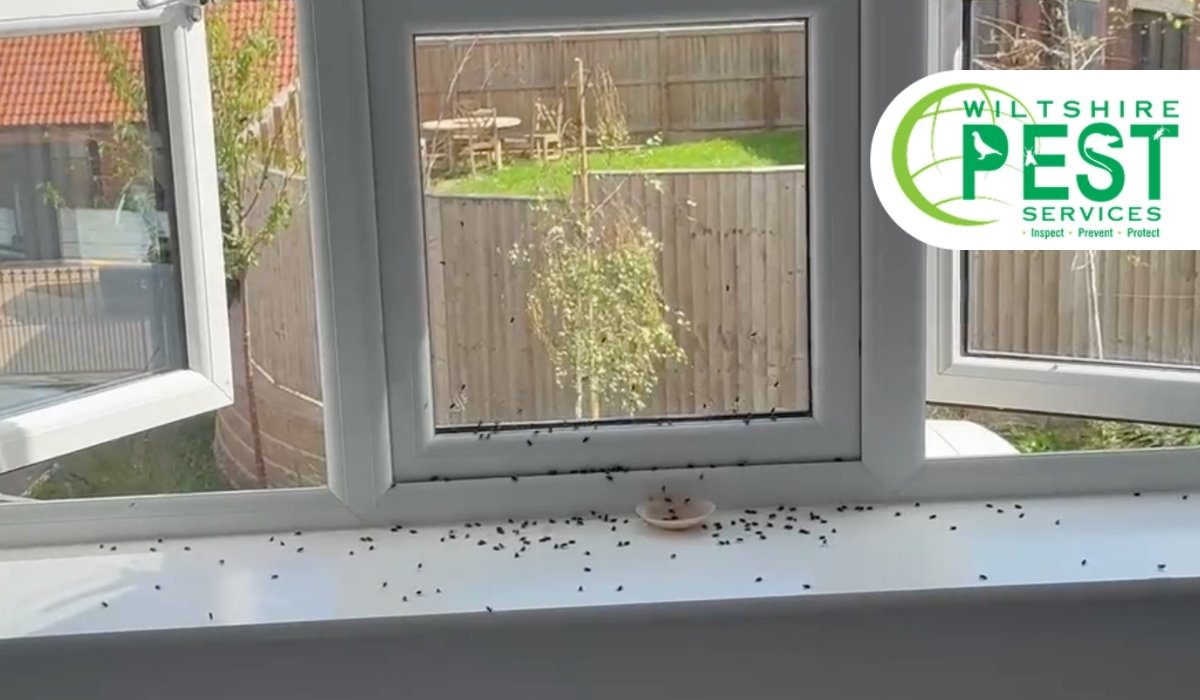
- Adult beetles: small reddish to blackish brown beetles, 2.5 to 5mm long, found on window ledges between March and September.
- Soft or crumbly timber: wood that gives way under a screwdriver near the holes needs a closer look.
Old frass can fall out of holes when furniture is moved or timber dries out, so dust on its own is not always a sign of activity. If you are unsure, leave the area undisturbed and ask a professional to inspect it. Spraying first can hide the evidence that tells you what is going on.
Is DIY Woodworm Spray Cheaper Than Professional Treatment?
A DIY spray is cheaper at the till, but it only saves money when the problem is small, active and fully visible. On a single piece of furniture with a few fresh holes, a shop bought product may be enough. In a building, the picture is usually less clear.
The trouble with DIY on structural timber is diagnosis rather than the spray itself. If you treat dead woodworm, you spend money for nothing. If you miss live activity under floorboards or in a corner of the loft, the larvae keep feeding while you think the job is done. Our guide to DIY pest control vs a professional service covers this trade off in more detail.
When Does Woodworm Become a Structural Problem?
Woodworm becomes structural when it weakens timbers that hold the building up, such as joists, rafters, beams and stair strings. The BPCA warns that unchecked infestations in the right conditions can cause severe structural weakening and, in the worst cases, collapse. Most cases never reach that point, but the risk grows the longer an active infestation is left.
Warning signs include springy or sagging floors, boards that crumble at the edges, and dense clusters of holes in load bearing timber. At that stage, replacing or strengthening timber may be needed as well as treatment, which is where costs rise. Catching activity early keeps the job to treatment rather than repair.
Why Do Older Homes in Chippenham Need Checking?
Older homes have more years of timber exposure, and woodworm damage builds up over time. The BPCA notes that most damage is found in timber that has been in use for 10 years or more. Government figures from the English Housing Survey put around one fifth (21%) of homes in England as built before 1919.
Chippenham has plenty of this older stock. The town council's conservation area appraisal describes streets such as St Paul Street and Park Lane as largely mid-Victorian houses in Bath stone with slate roofs, built as the town grew after the railway arrived in the 1840s. Homes of this age often still have timber roofs and suspended timber floors, which is where woodworm tends to be found.
If you are buying an older property, a woodworm note on a survey report is common and not always serious. A home buyer pest survey helps you find out whether the woodworm is active before you commit. That gives you a clearer picture of likely costs when you negotiate.
How We Deal With Woodworm
Wiltshire Pest Services Ltd is BPCA-certified and based in Warminster, covering Wiltshire and the borders of Somerset, Dorset and Hampshire. Every visit starts with an inspection, and we give honest advice with no upselling.
- Inspection first: we check the affected timber, look for signs of active woodworm and identify what you are dealing with.
- Clear quote: once we know the extent of the problem, we explain what treatment is needed and give you a clear quote.
- Old damage flagged honestly: if the woodworm is no longer active, we tell you, rather than treating timber that does not need it.
- Damp and wider issues: where moisture is part of the problem, we point it out so it can be put right.
- Qualified, discreet technicians: every technician is qualified to at least Level 2, and we use unmarked vehicles.
We cover woodworm call outs in Chippenham and nearby towns such as Corsham. If you would like to know how a visit runs, read what to expect during a pest control visit.
Get Help From Wiltshire Pest Services Ltd
If you have spotted holes, dust or small beetles in your timber, call us on 07711 259749 or use the enquiry form on this page. We will inspect the wood and give you a clear quote.
FAQ
Is woodworm treatment expensive?
It depends on how much timber is affected and how easy it is to reach. A small, localised attack costs far less than a widespread one, and if the woodworm turns out to be inactive, you may not need treatment at all.
Can woodworm spread to other furniture?
Yes, it can. Adult beetles can fly, and females lay their eggs in cracks and crevices in wood, so an infested item can be a source for nearby timber.
When are woodworm beetles active in the UK?
Adult common furniture beetles emerge in spring and summer. The BPCA says they may be found on window ledges of houses with infested timber from March to September.
What does woodworm look like?
You usually see the small round exit holes, around 1 to 2mm across, with gritty dust beneath fresh ones. The adult beetle is 2.5 to 5mm long and reddish to blackish brown.
Should I buy a house with woodworm?
Many older houses show some woodworm holes, and old damage is often not a serious issue. The key is to find out whether it is active and whether any structural timber is affected before you agree a price.